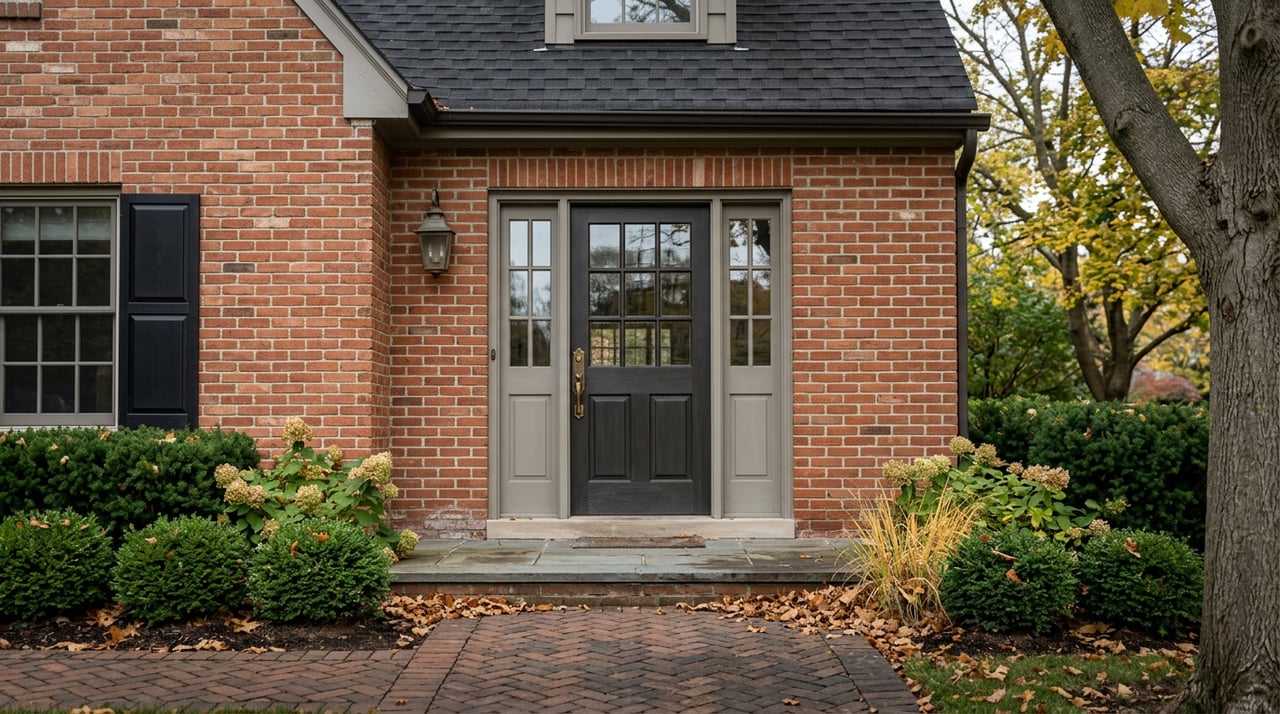
Thinking about selling your 1920s Tudor or Colonial in Edina’s Country Club? You’re working with a one-of-a-kind neighborhood that attracts design-minded buyers and has extra steps you won’t see elsewhere. With the right plan, you can protect your home’s character, avoid delays, and make your listing stand out. This guide gives you clear rules, smart prep moves, and a marketing strategy tailored to Country Club. Let’s dive in.
Why Country Club attracts buyers
Edina’s Country Club Historic District covers about 14 blocks and roughly 555 homes, most built between 1924 and 1944 in classic Period Revival styles. The neighborhood’s cohesive streetscapes and intact details are part of what buyers love. The City’s local heritage designation and Plan of Treatment guide visible changes so the streetscape stays consistent over time. You can review those standards in the City’s Country Club District Plan of Treatment.
The district is listed on the National Register of Historic Places, which is an honor. The rules that actually affect permits and exterior work come from the City’s local heritage overlay and its Certificate of Appropriateness process.
Preservation research shows that well-kept historic districts often attract stable demand and can support long-run value resilience. For context, see the PlaceEconomics overview on the economics of historic preservation. Pricing your home, though, should always be based on recent local comparables and your home’s condition.
What the rules mean for your sale
Country Club homes follow a local review process for certain exterior changes. Before the City issues permits for demolition, moving a building, new construction, or significant changes to street-facing facades, you need a Certificate of Appropriateness (COA). The City uses the Secretary of the Interior’s Standards when it reviews applications. You can find these requirements in the Plan of Treatment.
Interior work is usually not regulated by the local heritage overlay. Most interior updates do not require a COA, though you should confirm case by case.
What counts as demolition
The Plan of Treatment defines “demolition” for review purposes. Key triggers include:
- Removing 50% or more of the surface area of all exterior walls in the aggregate.
- Removing 50% or more of the principal roof structure when the shape, pitch, or height changes.
- Removing or destroying a front or side porch, dormer, chimney, attached garage, or porte-cochere.
Routine removal of siding, roofing, trim, fascia, soffit, eave moldings, windows, and doors does not, by itself, meet the Plan’s demolition trigger. Still, visible front-elevation work often requires a COA, so confirm with the City early. See the demolition definition and review standards in the Plan of Treatment.
COA process and timing
The City recommends a pre-application meeting with the preservation planner. Once you submit a complete COA application, the City mails notice to neighbors within 200 feet and posts the application. Staff prepares a report, and the Heritage Preservation Commission (HPC) holds a public meeting. Applicants present, public comment follows, and the HPC votes. There is a 10-day appeal period to City Council. Approved COAs are issued after the appeal period. Any changes to approved plans require a new COA. See the City’s COA Checklist and application packet for submittal items and process details.
Expect to provide scaled elevations, site surveys, and material lists. The packet also lists fees, which include an example fee of $600 for applications tied to designated heritage resources. Confirm current fee amounts with City planning staff.
Pre-listing prep that protects value
Smart preparation helps you avoid surprises and keeps buyers focused on your home’s strengths.
Gather documentation
Collect any prior COAs, building permits, contractor invoices, historic photos, and maintenance records. If your property is identified as a heritage preservation resource in the City inventory, that can shape your review path. Sharing a clean record with buyer agents builds trust and can shorten negotiations. The inventory and rules are outlined in the Plan of Treatment.
Prioritize repairs in the right order
- Safety and systems first. Focus on heating, electrical, structure, roof, and drainage. These reduce buyer risk and usually do not require a COA if the work is not visible from the street. Keep invoices and permits organized.
- Then address street-visible items. Repair porches, chimneys, masonry joints, and rooflines with preservation-minded methods. If you plan any visible change, schedule a quick call with the City planner and follow the COA Checklist.
Repair vs replacement on historic materials
The Secretary of the Interior’s Standards favor repairing and retaining original materials. When replacement is unavoidable, the new element should match the original in design, color, texture, and, where possible, materials. For windows, consider sash repair, weatherstripping, and reversible storm windows before full replacement. Share documentation and costs with buyers so they understand the approach. Review the Standards here: Secretary of the Interior’s Standards.
Curb appeal and exterior updates
Small paint changes may not require a COA, but any work that changes a street-facing facade, porch, or massing may need review. Before investing in exterior upgrades, confirm whether a COA is needed using the Plan of Treatment and a quick consult with the City planner.
Stage and photograph for character
Lean into authenticity. Stage to showcase fireplaces, built-ins, tile, millwork, and original floors. Use architectural photography that starts with a hero exterior shot and includes closeups of character elements. Create a one-page “preservation features” sheet that summarizes the home’s period, notable intact features, and recent system upgrades. For more guidance, see NAR’s Field Guide to Historic Properties.
Pricing, appraisal, and marketing strategy
Historic homes can be tricky to appraise because the best comparables are often other Country Club or similar Period Revival homes with a comparable level of preservation. Restrictions or easements, if any, can affect marketability. When needed, consider an appraiser with historic property experience. The Appraisal Institute has published guidance specific to these issues, discussed here: valuation guidance overview.
Your marketing should speak directly to buyers who value design and craftsmanship. Highlight intact features, quality repairs, and system updates. Be transparent about the COA framework so buyers understand that exterior guidelines protect the streetscape and typically do not limit interior improvements. A clear, preservation-savvy listing positions your home for confident offers.
Build a simple preservation-ready packet for showings:
- Seller’s property disclosure and any lead-based paint disclosure.
- Prior COAs, permits, and inspection reports.
- Contractor references for masonry, roofing, and traditional carpentry.
- Historic photos, a features sheet, and a list of recent system upgrades.
Disclosures and incentives to plan for
Minnesota seller disclosures
Minnesota law requires written seller disclosures for most residential sales. You must disclose material facts you know that could adversely and significantly affect a buyer’s use or enjoyment of the property. There are statutory exceptions and a waiver option if both parties agree in writing, but the safest practice is to complete the disclosure or consult your broker or counsel. Review the statute here: Minn. Stat. 513.52–513.60.
Federal lead paint disclosure (pre-1978 homes)
Most Country Club homes predate 1978. Federal law requires sellers to disclose known lead-based paint hazards and provide the EPA/HUD pamphlet and the disclosure addendum. You can review federal guidance here: lead disclosure rule overview.
Historic rehabilitation incentives
There are federal and state rehabilitation tax credits for qualifying income-producing projects that meet the Secretary of the Interior’s Standards and are certified by the National Park Service and the Minnesota SHPO. Minnesota reinstated its state Historic Structure Rehabilitation Tax Credit program in 2023. For single-family owner-occupied homes, these credits are often not directly usable, but they can apply in certain scenarios. If a buyer plans a major rehab with an income-producing component, direct them to the Minnesota SHPO incentives page and advise early coordination with SHPO and tax counsel.
Timeline and transaction tips
- Start with a documentation sweep. Pull prior permits and COAs so you can answer buyer questions with confidence.
- If you plan any street-visible work before listing, schedule a pre-application meeting with the City planner and review the COA Checklist. Build time into your plan for HPC meetings and the 10-day appeal window.
- Price with the right comps. Favor recent Country Club sales and similarly preserved homes. Consider bringing in an appraiser comfortable with historic properties if your home is unique.
- Market to the right audience. Lead with character, craftsmanship, and thoughtful updates. Provide a clean, preservation-friendly packet so buyers can move quickly.
Ready to position your Country Club home for a smooth, high-confidence sale? Connect with Josh Sprague to align your prep, pricing, and premium marketing, and to Get Access to Off-Market Listings.
FAQs
Do I need City approval to repaint my Country Club home’s front facade?
- Small paint changes often do not require a COA, but any work that materially alters a street-facing facade, porch, or massing can trigger review. Check the City’s Plan of Treatment and consult the planner first.
Are interiors regulated in Edina’s Country Club Historic District?
- Generally no. The local heritage overlay focuses on exterior, public-facing features and the streetscape; interior changes typically don’t require a COA. Confirm case by case using the Plan of Treatment.
How does historic designation affect sale price in Edina?
- Preservation research shows historic districts can support stable long-term values, but pricing should be based on local comparables and condition. See PlaceEconomics on preservation and value.
What counts as demolition under Edina’s rules for Country Club homes?
- Removing 50% or more of exterior wall surface area, or 50% or more of the principal roof structure where shape, pitch, or height changes, and removing features like a front or side porch, dormer, chimney, attached garage, or porte-cochere are demolition triggers. Details are in the Plan of Treatment.
What disclosures are required when selling an older Country Club home?
- Complete Minnesota’s residential seller disclosure per Minn. Stat. 513.52–513.60, and provide the federal lead-based paint disclosure and pamphlet for pre-1978 homes using the federal guidance.