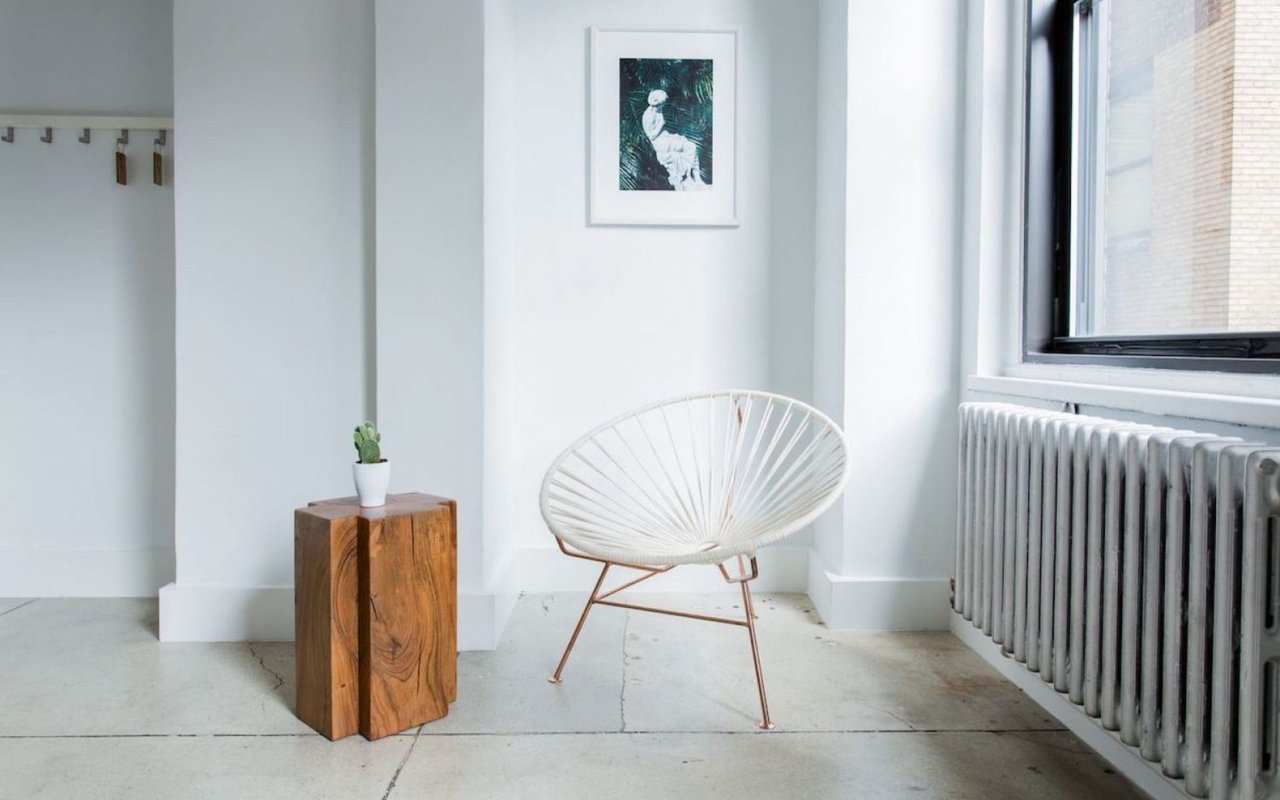
It’s not just people in Minnesota who love Scandinavian design. It is appealing to all modern design aficionados who are attracted to the simplicity and timeless appeal of Scandinavian home design, and consumers who love well-designed, functional and quality modern home furniture and accessories. Here’s a look at the history and philosophy of the Scandinavian design movement, and its continued influence on modern home design.
History of Scandinavian Design
As with many design movements, Scandinavian design emerged out of the peculiarities of the climate and culture from the countries from which it came, including the 5 nordic countries of Denmark, Finland, Iceland,, Norway and Sweden. From these places of stark natural beauty emerged a minimalist philosophy that embraced clean lines, simplicity, and neutral colors (with a love for white!).
The term “Scandinavian Design” itself came from a design show that toured during the 1950’s in Canada and United States showcasing the quality, sustainable products that were both affordable and accessible to all walks of life. These exhibitions help build the nordic brand and influenced a generation of modern home and furniture designers in North America and Europe.
Basic Principles of Scandinavian Design
The basic principles of Scandinavian design emphasizes the connection between design and nature, and focuses on products that enhance our everyday life. Here are few of the ways that this important design school of thought shows up in today’s home interior trends:
Floors: Hardwood floors are preferred, in light colors, with rugs for accent but not overwhelming. The real focus is the natural materials. And wall-to-wall carpet is definitely a no no!
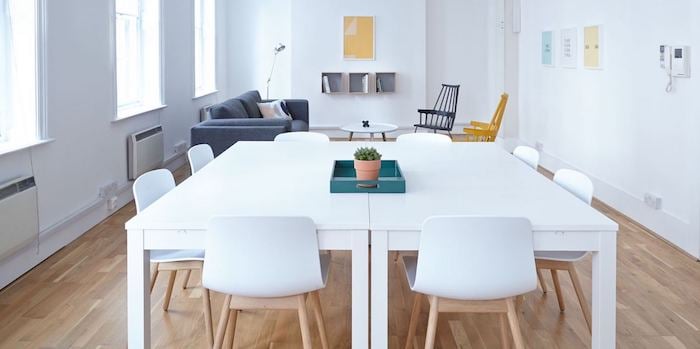
Surfaces: Warm woods like teak and oak are chosen for interior surfaces, with whitewashed or greywashed pine also being used frequently to accent the home.
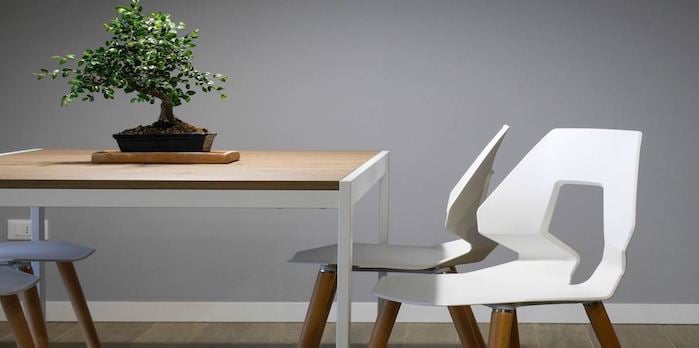
Sustainability: The preference is for sustainable and eco-friendly building materials, furniture, lighting, textiles, and accessories, crafted with care and respect for the natural environment.
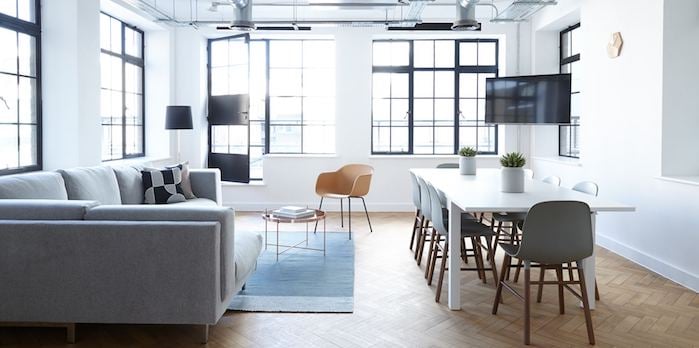
Colors: Cool colors like white, blue and grey, colors you’d find in the nordic climates, are emphasized, but with some unexpected color pops in fabrics, rugs, and accessories (for example, Marimekko pillows or window treatments).
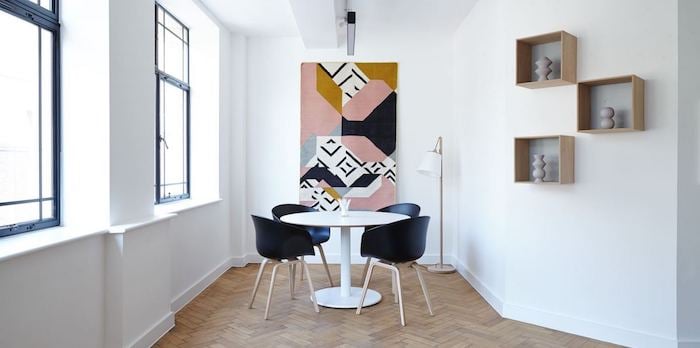
Accessories: Less is more in the Scandinavian design school! Beautiful, simple accessories that accent the overall scheme are used but in much less volume than in more traditional designs.
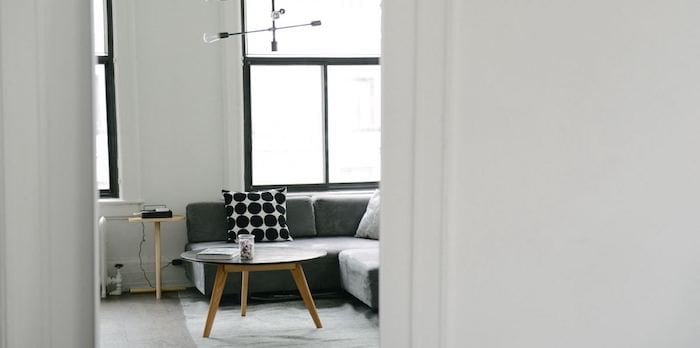
Fireplaces: Fireplaces are part of the nordic climate and lifestyle, and become a focal point in the home, but appear with clean lines and a less embellished, minimalist style.
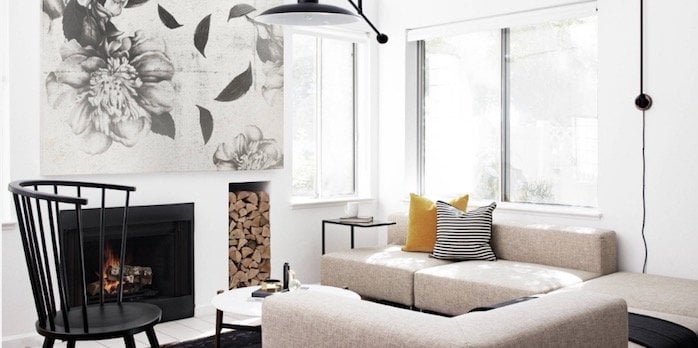
Scandinavian Design in the Twin Cities
In the Twin Cities, Scandinavian design shows up in stores like Room & Board, International Design Center, Crate & Barrel, and other high-end furniture stores. Many new construction homes in the modern segment also follow Scandinavian design principles (see 4012 Sunnyside Rd). And in kitchen design, the true heart of the home, you can find authentic Scandinavian design and materials in specialty stores like Puustelli in Uptown, Minneapolis.
