The pandemic reshaped the Twin Cities housing market in ways that continue to influence buyers and sellers. From 2020 through 2022, historically low mortgage rates, limited housing inventory, changing work patterns, and intense buyer demand pushed home prices sharply higher across the Minneapolis–St. Paul metro. Buyers frequently competed for a small number of available homes, while sellers often received multiple offers within days of coming to market.
That environment began to change as interest rates increased, affordability tightened, and the pace of the market slowed. At the same time, many homeowners who had purchased or refinanced during the era of exceptionally low mortgage rates became reluctant to move. Instead of creating a surge of homes for sale, higher rates contributed to a different kind of inventory shortage.
Understanding that transition helps explain why the housing market today feels different from both the years before the pandemic and the extraordinary conditions of 2020 and 2021.
Mortgage Rates Changed the Market
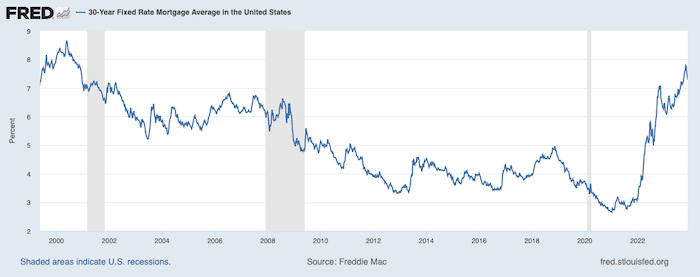
One of the largest forces behind the post-pandemic housing shift was the rapid increase in mortgage rates. During the early pandemic years, 30-year fixed mortgage rates fell to historically low levels, increasing purchasing power and helping fuel exceptionally strong buyer demand.
Beginning in 2022, mortgage rates rose quickly as the Federal Reserve acted to slow inflation. Rates that had been near 3% moved substantially higher within a relatively short period, changing the economics of both buying and selling a home.
Buyers faced higher monthly payments and became more sensitive to price, condition, and value. Existing homeowners faced a different calculation: selling could mean giving up an unusually favorable mortgage and replacing it with a much more expensive loan. The result was less frantic buyer demand than during the pandemic peak, but also fewer homeowners willing to put their properties on the market.
The "Lock-In" Effect Reduced Inventory
As mortgage rates increased and affordability tightened, the housing market cooled, but the adjustment was not the dramatic collapse some buyers expected. Instead, the rate of appreciation moderated and market conditions became increasingly selective.
During the pandemic, home values rose rapidly as unusually strong demand competed for very limited supply. As financing became more expensive, buyers became more discerning. In markets such as Edina, well-located and well-prepared homes continued to command strong interest, while properties with condition, pricing, layout, or location challenges often required more time and a more thoughtful marketing strategy.
That distinction remains important. A slower overall housing market does not mean every home performs the same way. Property-specific factors matter more when buyers are no longer forced to compete aggressively for nearly everything that becomes available.
Home Prices Did Not Simply "Crash"
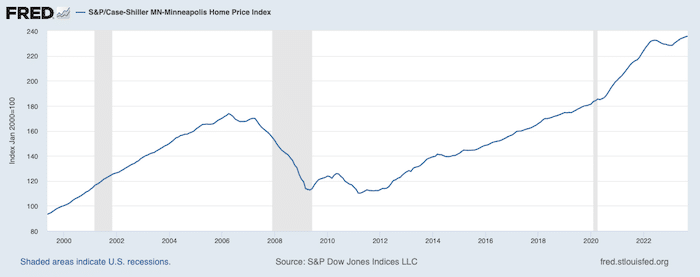
As mortgage rates increased and affordability tightened, the housing market cooled, but the adjustment was not the dramatic collapse some buyers expected. Instead, the rate of appreciation moderated and market conditions became increasingly selective.
During the pandemic, home values rose rapidly as unusually strong demand competed for very limited supply. As financing became more expensive, buyers became more discerning. In markets such as Edina, well-located and well-prepared homes continued to command strong interest, while properties with condition, pricing, layout, or location challenges often required more time and a more thoughtful marketing strategy.
That distinction remains important. A slower overall housing market does not mean every home performs the same way. Property-specific factors matter more when buyers are no longer forced to compete aggressively for nearly everything that becomes available.
Buyer Competition Became More Selective
The pandemic market rewarded speed above almost everything else. Buyers frequently had to make decisions immediately, compete aggressively, and in some cases accept terms they might not have considered in a more balanced environment simply to secure a home.
As market conditions normalized, buyers regained some negotiating power, but that change has not been uniform. The strongest homes can still generate significant competition, particularly in desirable Edina neighborhoods where inventory remains limited. The difference is that buyers can now be more selective about which properties justify aggressive terms.
That places greater importance on understanding neighborhood-level demand, recent comparable sales, property condition, renovation quality, lot characteristics, school and location preferences, and likely resale appeal. A strong strategy is increasingly specific to the individual property rather than based on broad assumptions about the overall market.
Sellers Have Had to Adjust Too
For sellers, the post-pandemic market requires a different strategy than the market of 2020 and 2021. Simply putting a home on the market is no longer enough to guarantee immediate competition. Presentation, pricing, timing, photography, preparation, and positioning all matter more when buyers have higher borrowing costs and greater reason to be selective.
Well-prepared homes can still perform extremely well, but overpriced or poorly presented properties may remain on the market longer than sellers who remember the pandemic-era market expect. The strongest results increasingly come from understanding how a particular home compares with the alternatives available to buyers at that moment.
For many Edina homeowners, the more complicated question is not simply whether they can sell. It is how to coordinate the sale of the current home with the purchase of the next one. That is especially relevant in Edina, where many moves are local: families moving up as their needs change, longtime owners downsizing, households changing neighborhoods, or buyers seeking a differen
What the Post-Pandemic Market Means for Edina
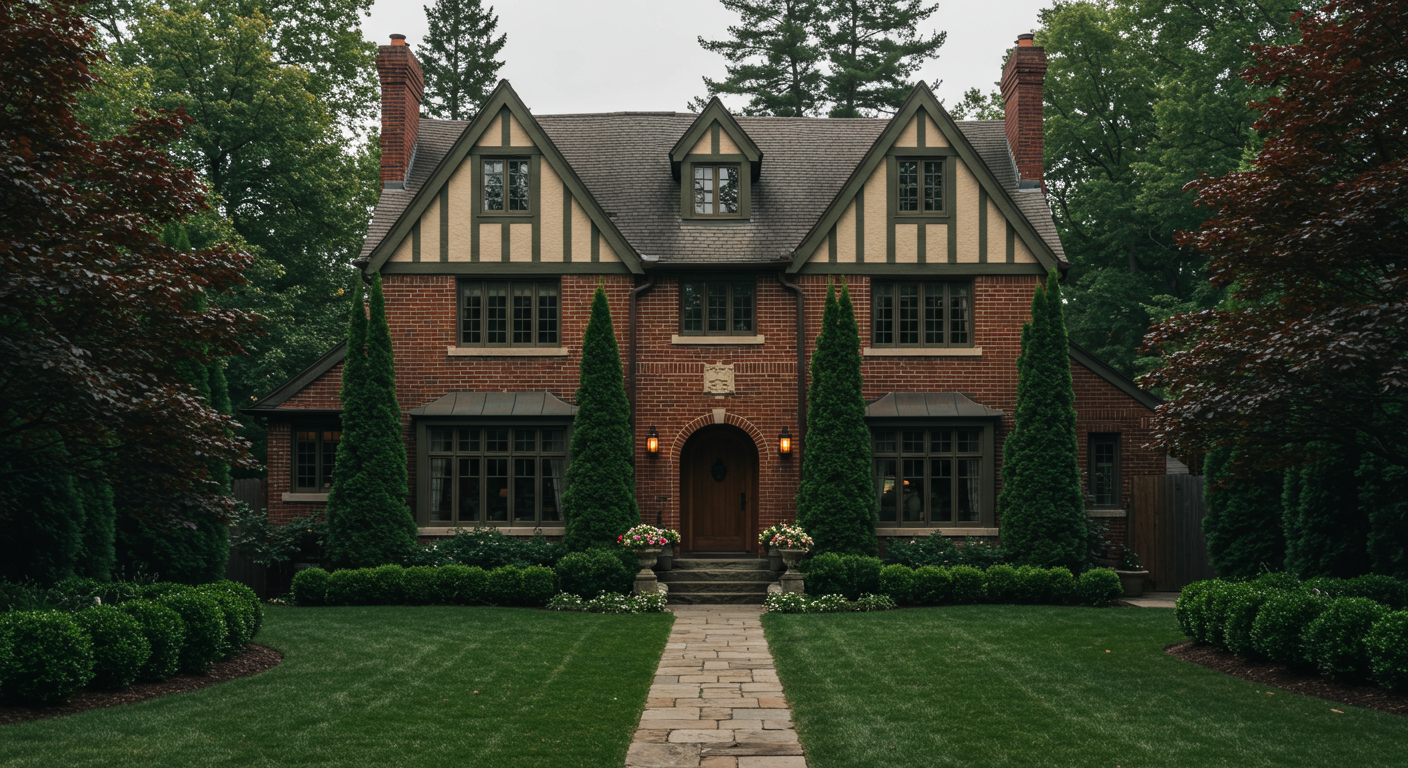
The biggest lesson from the years following the pandemic is that the housing market has become more nuanced. There is no single "Twin Cities market," and broad metro statistics do not always describe what is happening in a particular neighborhood, price range, or property type.
Conditions can vary significantly based on neighborhood, price point, architectural style, condition, lot, school preference, and timing. Edina can behave differently from the broader metro, and even individual Edina neighborhoods can experience noticeably different levels of inventory and buyer demand.
That makes local knowledge increasingly valuable. Buyers benefit from understanding where competition remains strongest, which homes are likely to attract multiple offers, and where opportunities may exist. Sellers benefit from knowing how their specific property fits into the current inventory and which buyers are most likely to value its particular features.
Planning the Next Move
he post-pandemic housing market is neither the frantic market of 2021 nor a simple return to pre-pandemic conditions. Low-rate mortgages continue to influence inventory, buyers remain sensitive to affordability, and desirable homes can still attract significant competition. At the same time, homeowners considering a move often face the challenge of coordinating a purchase and sale in an environment where both inventory and financing require careful planning.
For Edina homeowners, the best strategy begins by understanding both sides of the move: What is the current home likely to sell for, and what will it take to secure the next one? Looking at those questions together can help determine timing, financing options, preparation, and how much flexibility may be needed.
For help planning your next move, explore Edina Homes for Sale, the Edina Neighborhood Guides, and Selling Then Buying in Edina. You can also learn more about Buyer and Seller Services.
To discuss a specific move, contact Josh Sprague.
