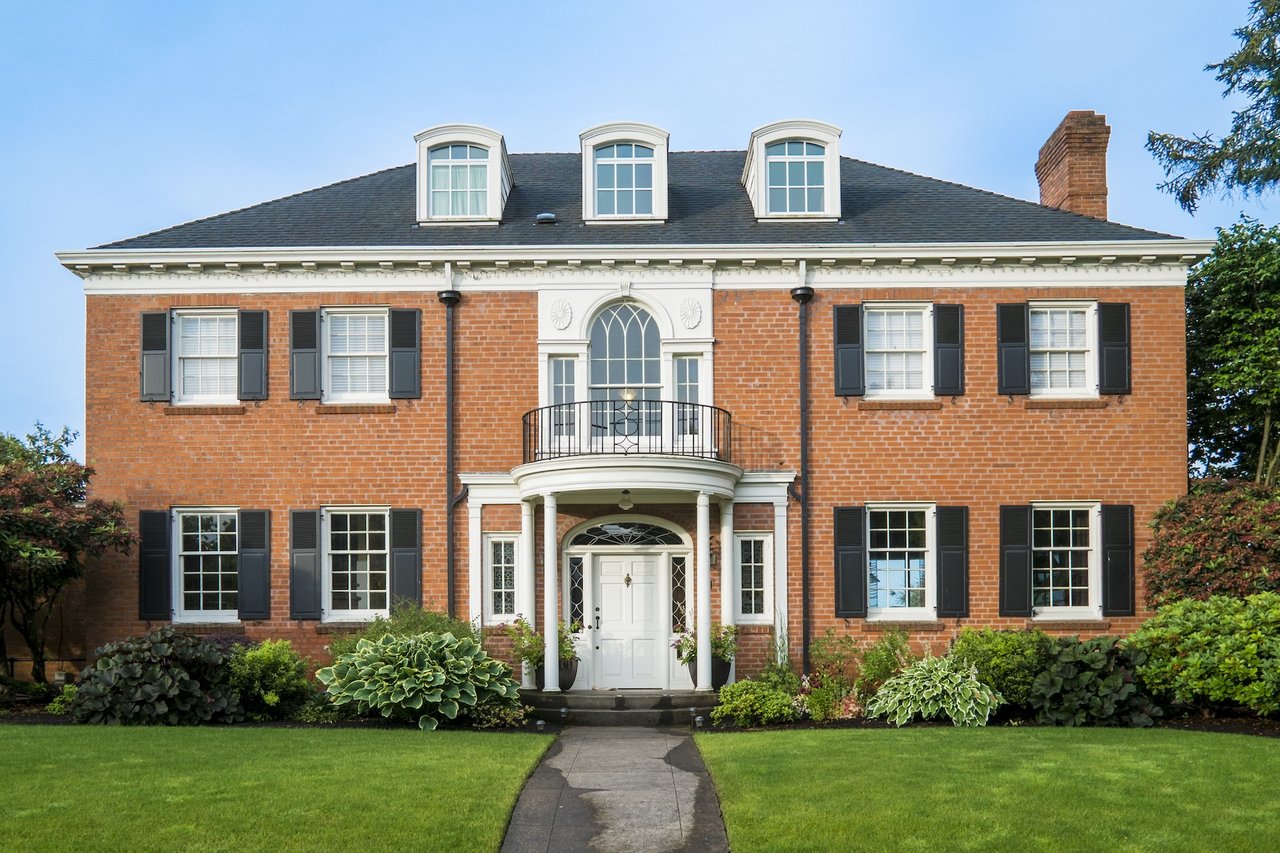
Looking for a neighborhood that feels tucked away while still keeping you close to everyday conveniences? White Oaks in Edina offers exactly that balance. With its mature oak canopy, preserved open space, distinctive street layout, and proximity to 50th & France, White Oaks has quietly become one of Edina’s most distinctive residential pockets. This guide explores what gives the neighborhood its identity, how buyers think about it today, and why it continues to stand out in the Edina market.
Why White Oaks Feels Different
White Oaks is one of Edina’s recognized neighborhood associations and remains a relatively small residential enclave, with approximately 442 residents and 179 parcels. That smaller scale helps explain why the neighborhood often feels intimate and quiet rather than expansive or heavily trafficked.
The neighborhood sits just west of France Avenue adjacent to the [Country Club](/neighborhoods/country-club) area and centers around streets such as White Oaks Road, Townes Road, Townes Circle, Meadow Road, Bridge Lane, and Sunnyside Road. In practical terms, residents stay close to the 50th & France district while enjoying a more secluded residential setting.
One of White Oaks’ defining characteristics is its limited-access layout. City history describes the neighborhood as having only three entrances, helping create a lower-traffic residential environment that buyers often notice immediately.
A Neighborhood Shaped by History
White Oaks traces its roots back to the old Baird farm, with the land once referred to as Baird’s Pasture. Home construction began in 1937 with a modest 17-lot plat, and the first home was built on Bridge Lane that same year.
That early planning still influences the neighborhood today. Historical records note that early deeds required architect-designed homes and association approval for siting decisions. Over time, those standards helped shape the cohesive and carefully curated feel that many residents associate with White Oaks.
The neighborhood also carries a unique civic history. Records reference the 1936–37 Bridge Lane dispute with Country Club, while an older pedestrian walkway between Bridge Street and Bridge Lane remains a subtle reminder of White Oaks’ long-standing sense of separation and identity.
The Landscape Is Part of the Appeal
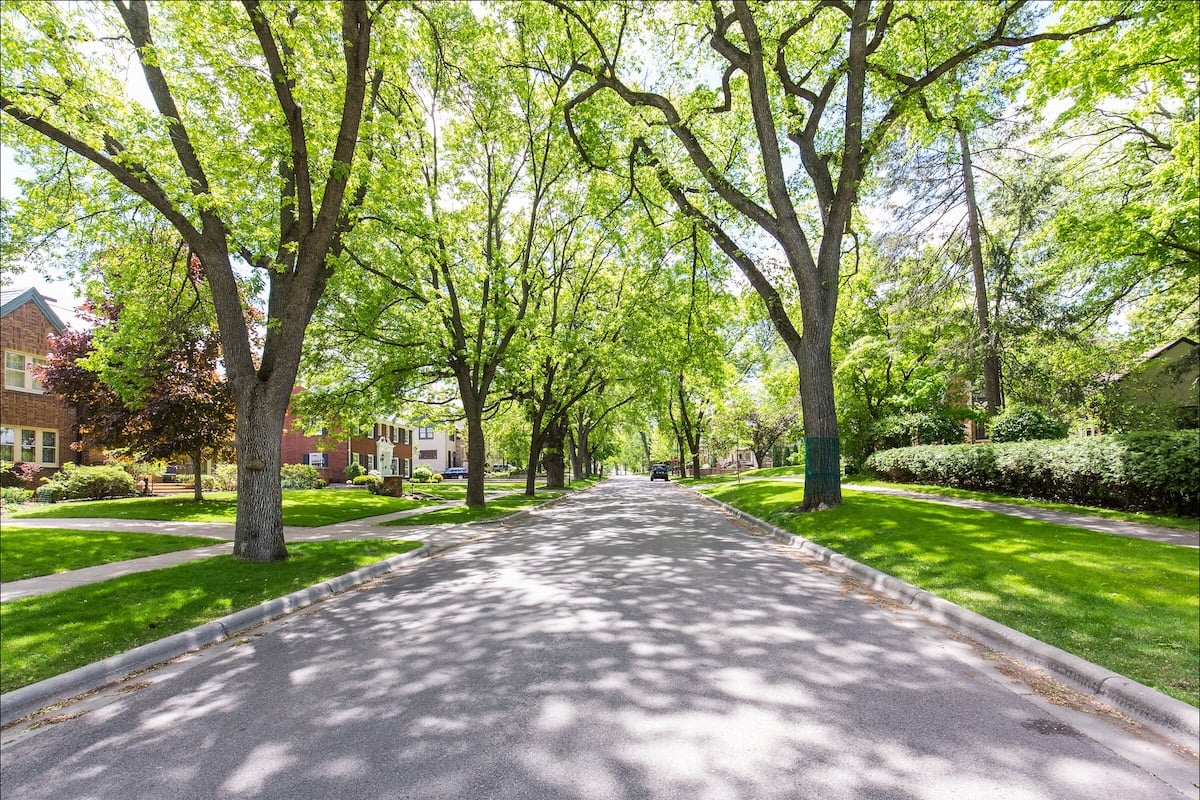
In White Oaks, the natural setting is not simply background scenery. It is part of the neighborhood’s identity. The city describes the area as hilly, oak-covered, and dotted with wetlands, giving the neighborhood a strong sense of place compared with more uniform residential areas.
Two preserved open spaces remain especially important to that story: a 3.5-acre meadow and a 1.5-acre marsh. These spaces were intentionally preserved as open land and natural ponding areas, helping maintain the neighborhood’s landscape character over time.
For buyers, that often translates into a more scenic and established environment. For sellers, it helps explain why White Oaks can stand apart from more repetitive neighborhood layouts. The setting here feels shaped by mature trees, topography, and preserved land rather than subdivision uniformity.
Homes and Housing Character in White Oaks
White Oaks is not a one-note neighborhood. It has long been described as a secluded enclave of wooded hills, nature preserves, and homes of varied scale and style. That architectural variety remains one of its strongest characteristics.
The earliest homes date back to the late 1930s and early 1940s, including original properties on Bridge Lane and Townes Circle. Because the neighborhood did not develop as a uniform tract, the streetscape feels layered rather than repetitive, with different home sizes and architectural expressions throughout the area.
That variety can appeal to buyers looking for a neighborhood with visual interest and a sense of evolution over time. It also creates opportunities ranging from preserving classic character to pursuing thoughtful renovations or redevelopment on larger lots where appropriate.
Why Buyers Continue to Watch White Oaks
White Oaks may be historic, but it is not frozen in time. Recent market snapshots have included rebuild and redevelopment opportunities on streets such as Meadow Road, Bridge Lane and Townes Road, reinforcing continued buyer interest in the neighborhood.
That reinvestment matters because it signals long-term confidence in the area’s location, lot characteristics, and overall identity. In established Edina neighborhoods, reinvestment activity often reflects lasting demand from buyers seeking mature settings with long-term upside.
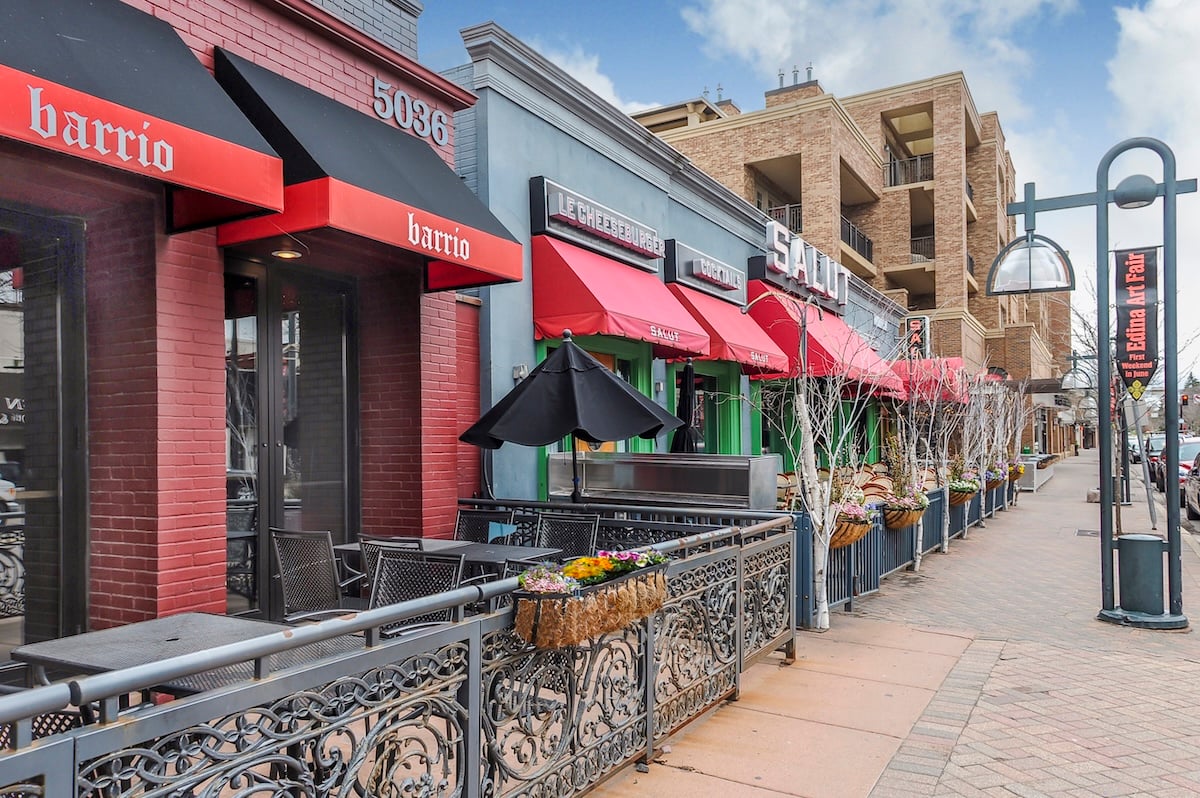
For many buyers, White Oaks hits a difficult balance to replicate. The neighborhood offers privacy and a quieter residential atmosphere while remaining closely connected to the broader 50th & France district for shopping, restaurants, coffee shops, and day-to-day convenience.
What Sellers Should Understand About White Oaks
If you own a home in White Oaks, your property benefits from being part of a neighborhood with a recognizable story. Its limited-access layout, preserved landscape, mature canopy, and proximity to 50th & France all shape buyer perception in meaningful ways.
That means effective marketing here goes beyond square footage and finish selections alone. Buyers often respond strongly to neighborhood context — how the area feels, how the landscape contributes to the experience, and why White Oaks differs from other Edina neighborhoods.
In a market where positioning matters, that neighborhood-level storytelling can meaningfully influence buyer engagement and perceived value.
Buyers and sellers researching White Oaks often also compare current Edina Homes for Sale, the nearby Country Club neighborhood, and other established areas within the Edina Neighborhood Guides when evaluating long-term fit, lifestyle, and property value.
For a broader overview of the area, explore the White Oaks neighborhood page.
For questions about buying or selling in White Oaks, contact Josh Sprague.
FAQs
What is White Oaks in Edina known for?
White Oaks is known for its mature oak canopy, limited-access layout, preserved meadow and marsh areas, and close proximity to the 50th & France district.
Where is White Oaks located in Edina?
White Oaks is located just west of France Avenue adjacent to the Country Club area and includes streets such as White Oaks Road, Townes Road, Townes Circle, Meadow Road, Bridge Lane, and Sunnyside Road.
What types of homes are in White Oaks?
White Oaks includes homes dating back to the late 1930s and early 1940s, along with varied home sizes, architectural styles, and occasional redevelopment opportunities on larger lots.
Why do buyers look at White Oaks in Edina?
Buyers are often drawn to White Oaks for its tucked-away residential feel, mature landscaping, architectural variety, and convenient access to shopping and dining near 50th & France.
Is White Oaks close to 50th & France?
Yes. White Oaks is closely connected to the broader 50th & France district, giving residents convenient access to restaurants, retail, coffee shops, and everyday services.
