Minneapolis
Neighborhoods shaped by lakes, parks, and enduring architecture.
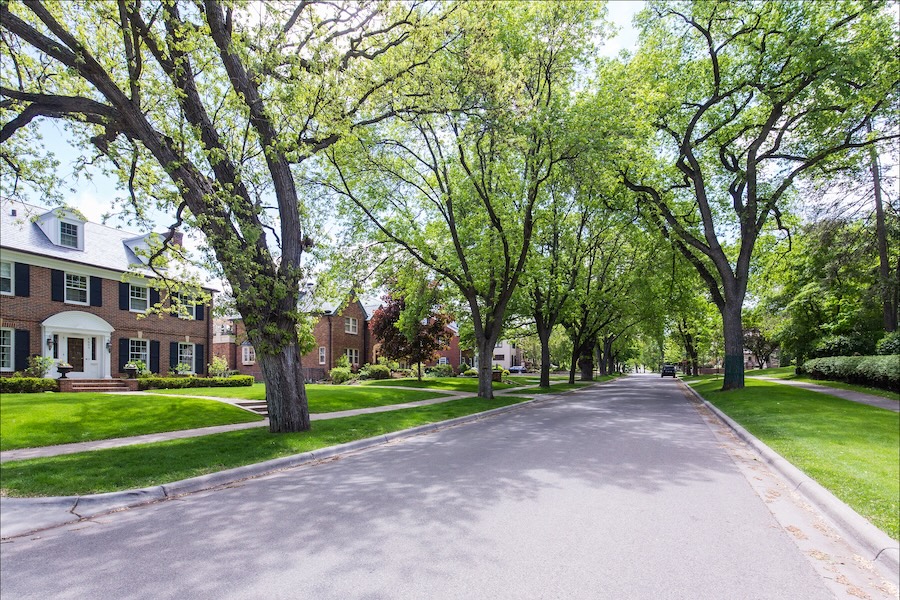
Minneapolis is a city defined by its neighborhoods, where residential living is closely connected to lakes, parks, and a strong sense of place. From historic streets near the water to established communities with walkable amenities, the city offers a wide range of living environments within close proximity to downtown and the surrounding metro.
Residents are drawn to Minneapolis for its balance of urban convenience and natural surroundings, with extensive trail systems, green space, and cultural destinations integrated into daily life. This combination continues to shape long-term demand across many of the city’s most established residential areas.
Living in Minneapolis means having access to both city amenities and outdoor recreation year-round. Neighborhoods vary widely in character, from quieter residential pockets to more vibrant, walkable areas near local shops, dining, and parks. Regardless of location, green space and thoughtful city planning play a central role in how the city functions.
The lifestyle appeal of Minneapolis extends beyond individual homes, with residents valuing proximity to lakes, trails, and community gathering spaces that contribute to a high quality of life.
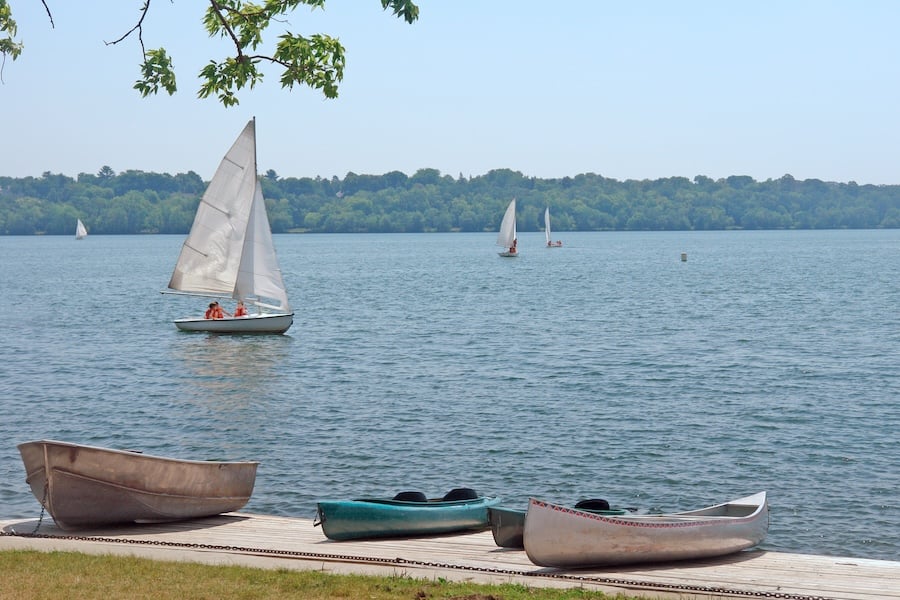
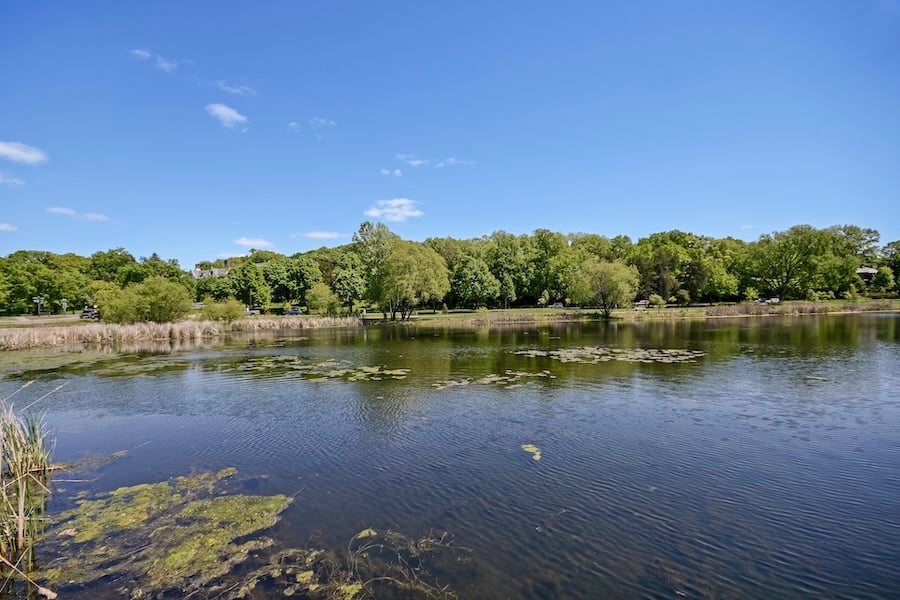
At the heart of Minneapolis is the Chain of Lakes — a connected system of waterfront parks, trails, and residential neighborhoods that define some of the city’s most desirable areas.
Cedar Lake, Lake of the Isles, Bde Maka Ska, and Lake Harriet anchor this corridor, offering year-round recreation and scenic surroundings. These lakes also influence the character of nearby neighborhoods, shaping housing styles, walkability, and long-term residential appeal.
Lake of the Isles is known for its classic lakefront homes and historic architecture, while Bde Maka Ska and Lake Harriet combine shoreline access with active surrounding communities and parkland.
Many buyers interested in lakeside living also explore nearby communities such as Lake Minnetonka, which offers a different mix of shoreline settings, housing styles, and lifestyle options just west of the city.
Every Minneapolis home is unique. Location, architectural style, lake or park proximity, and condition all play a major role in pricing and buyer interest. If you’re curious about your home’s current market value, you can request a private, no-obligation home valuation below.
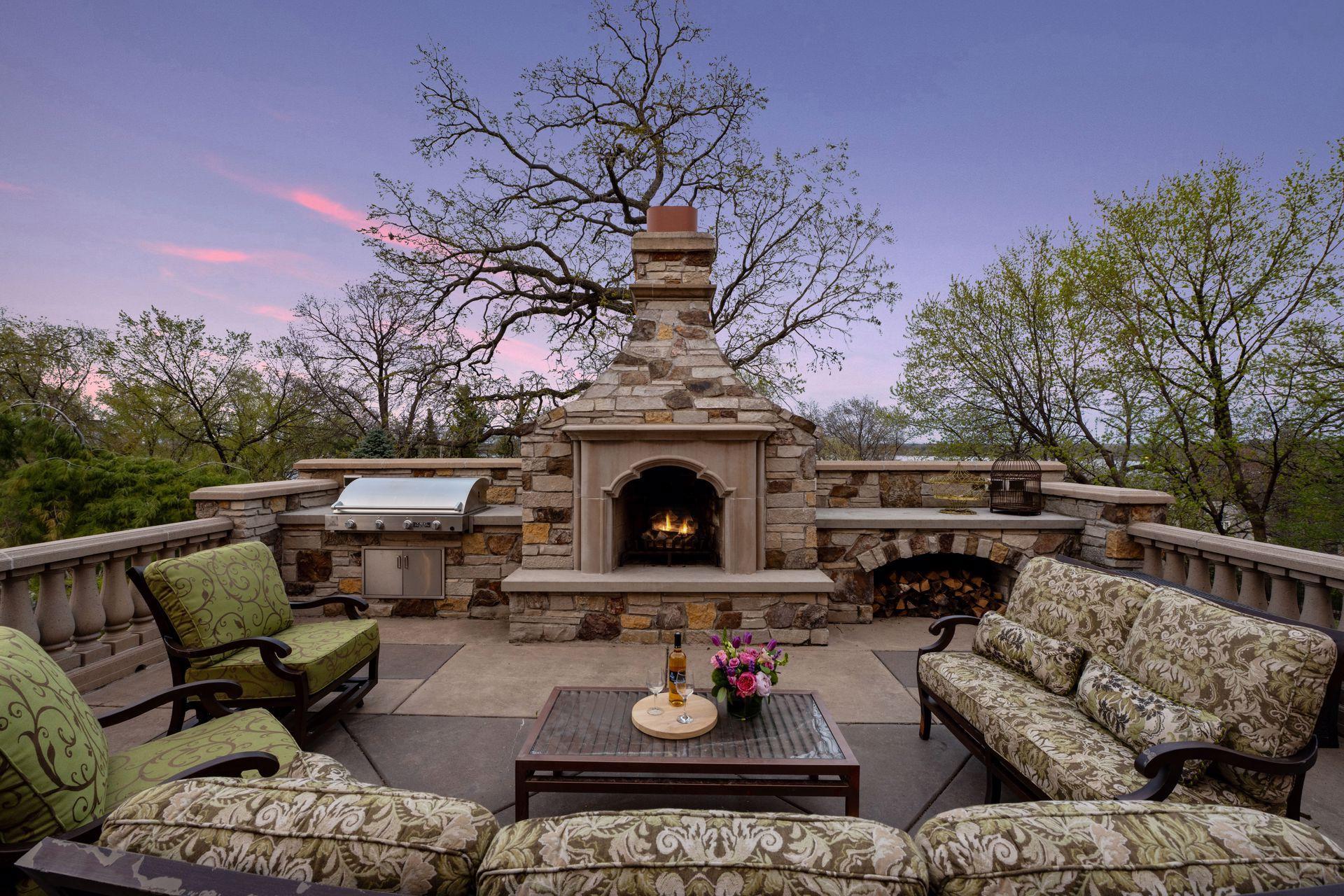
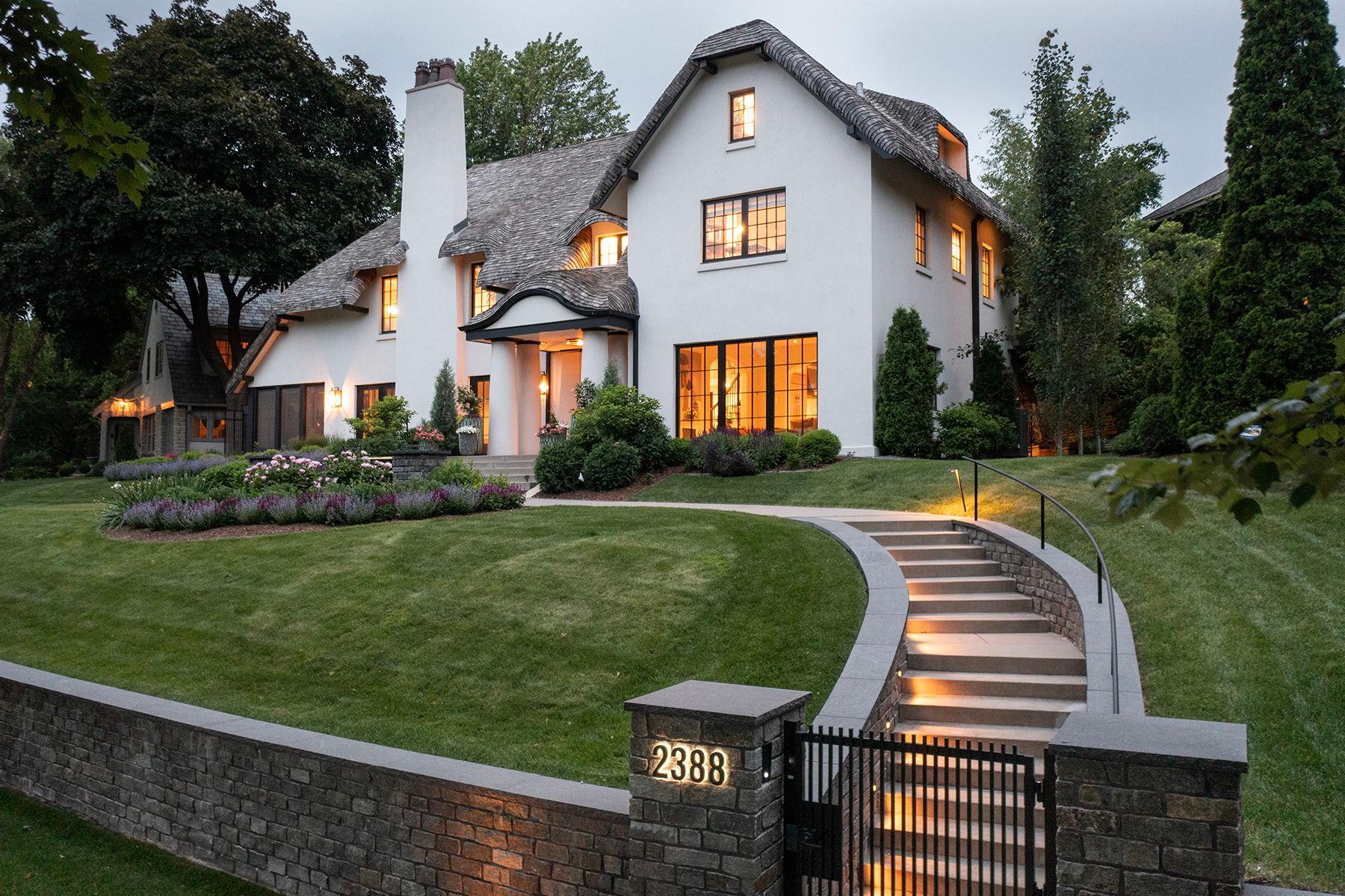
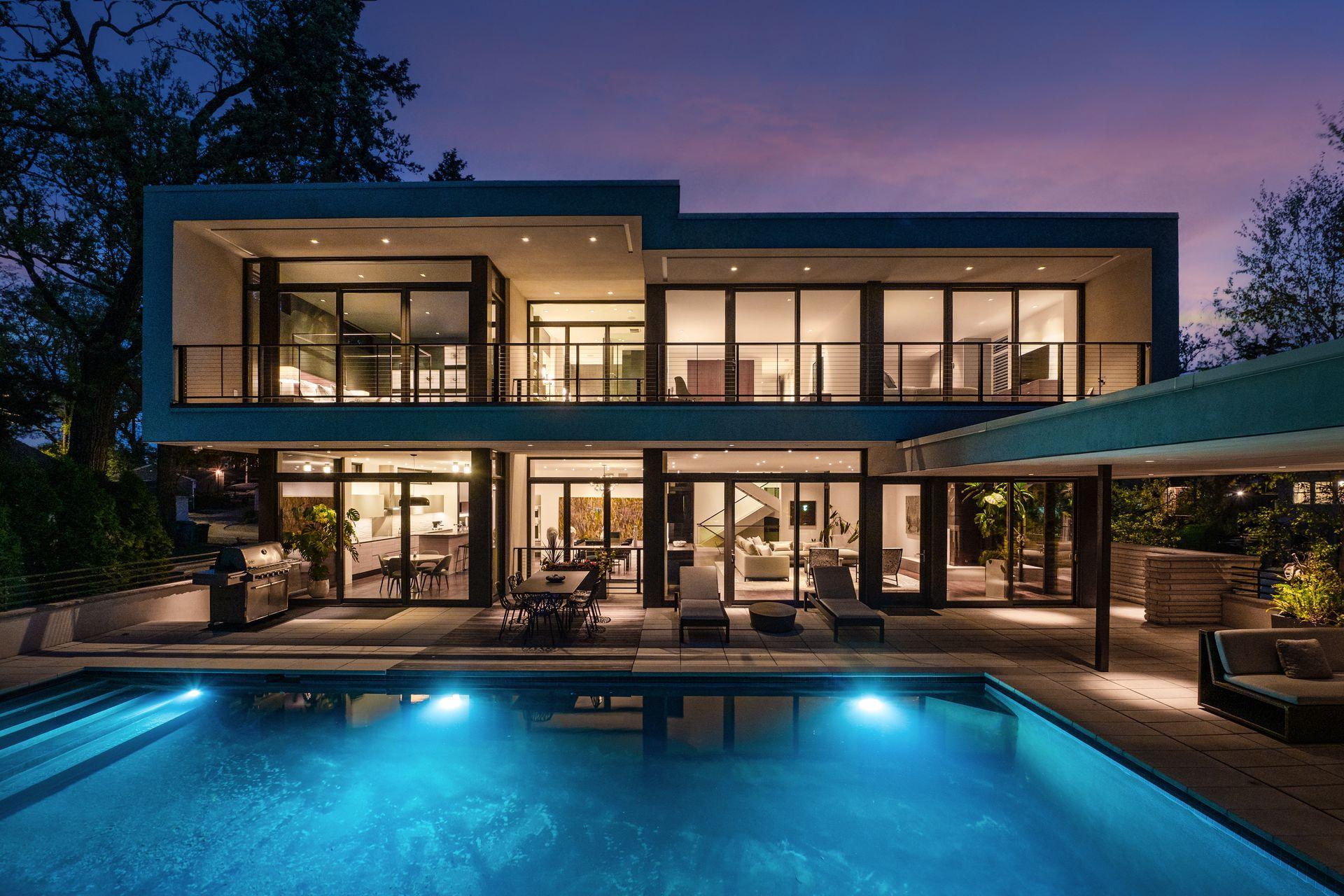
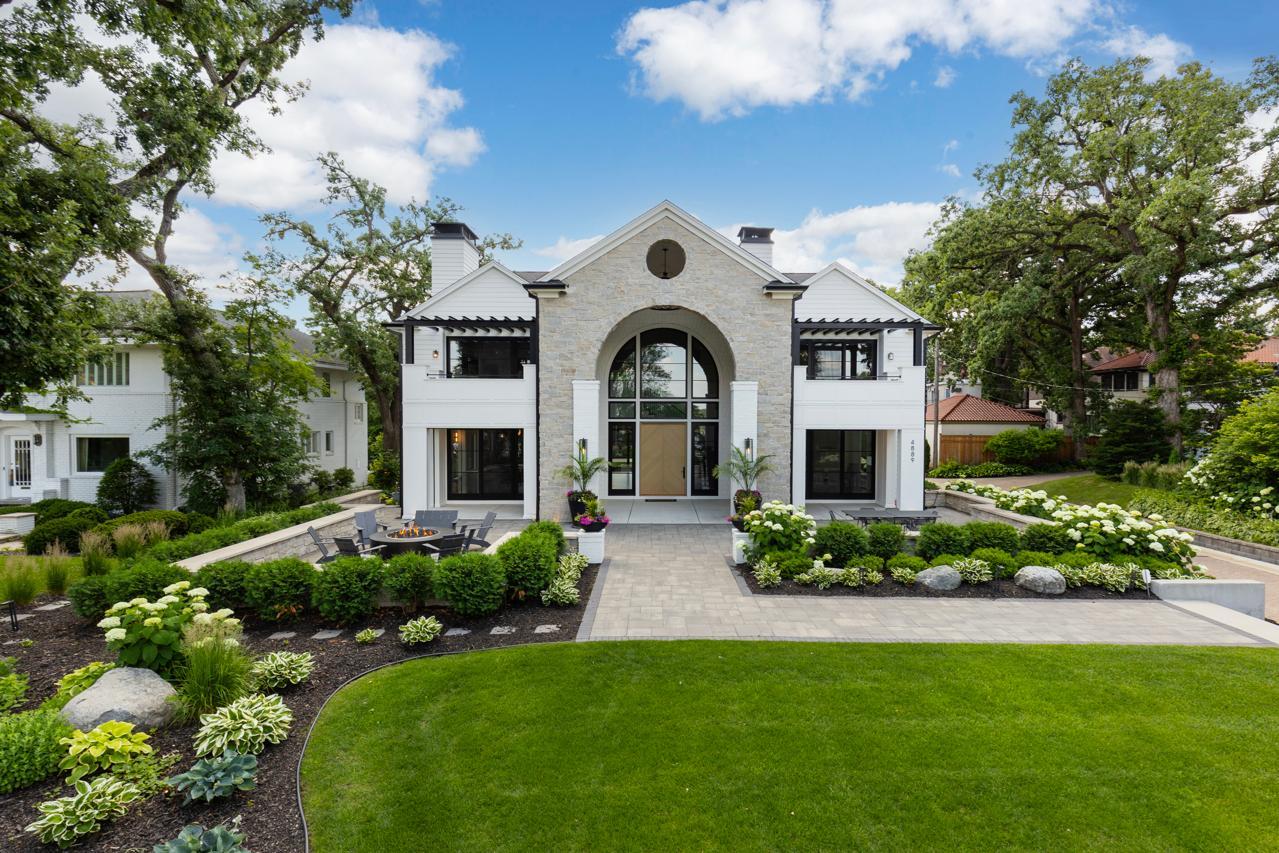
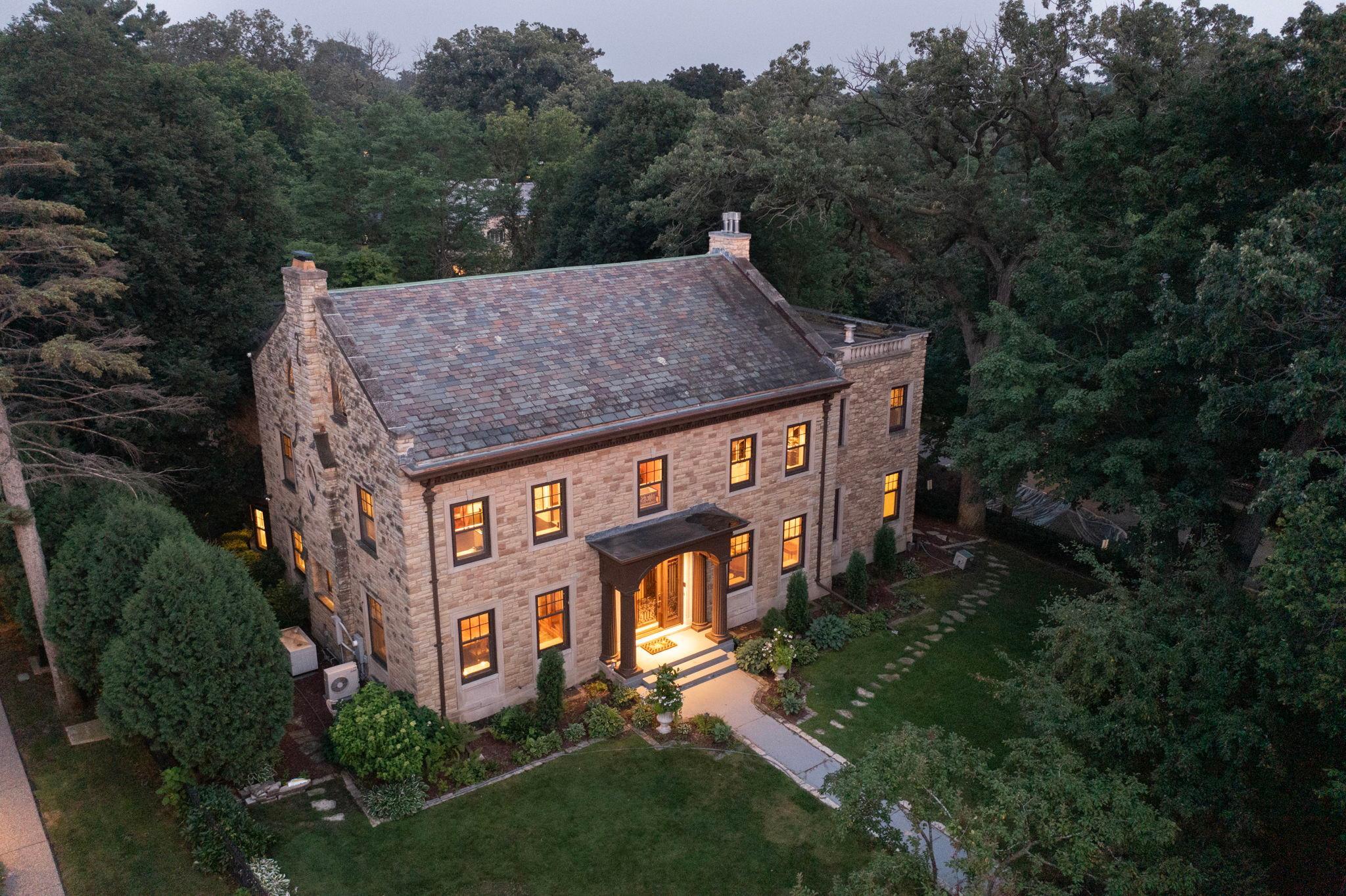
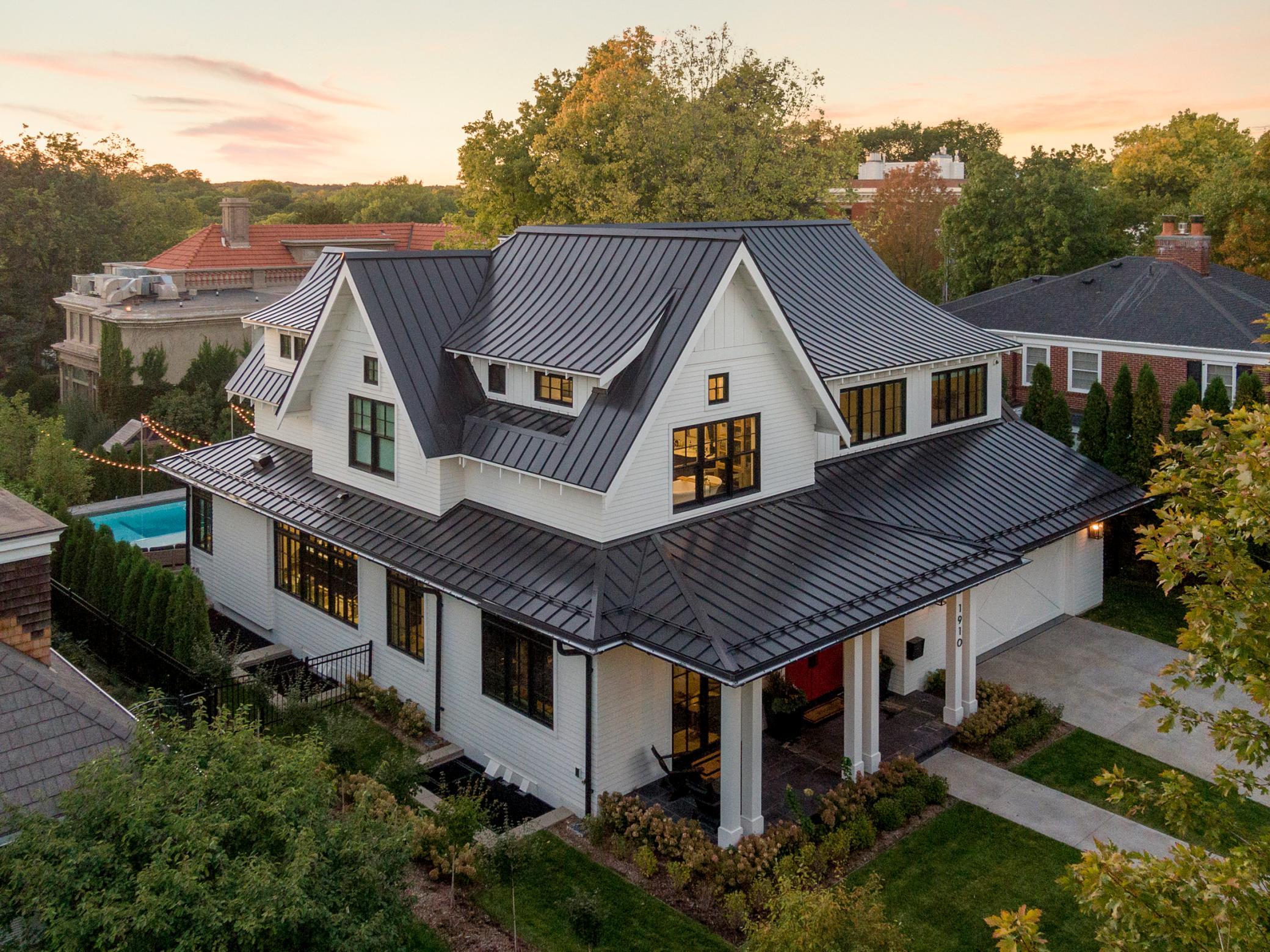
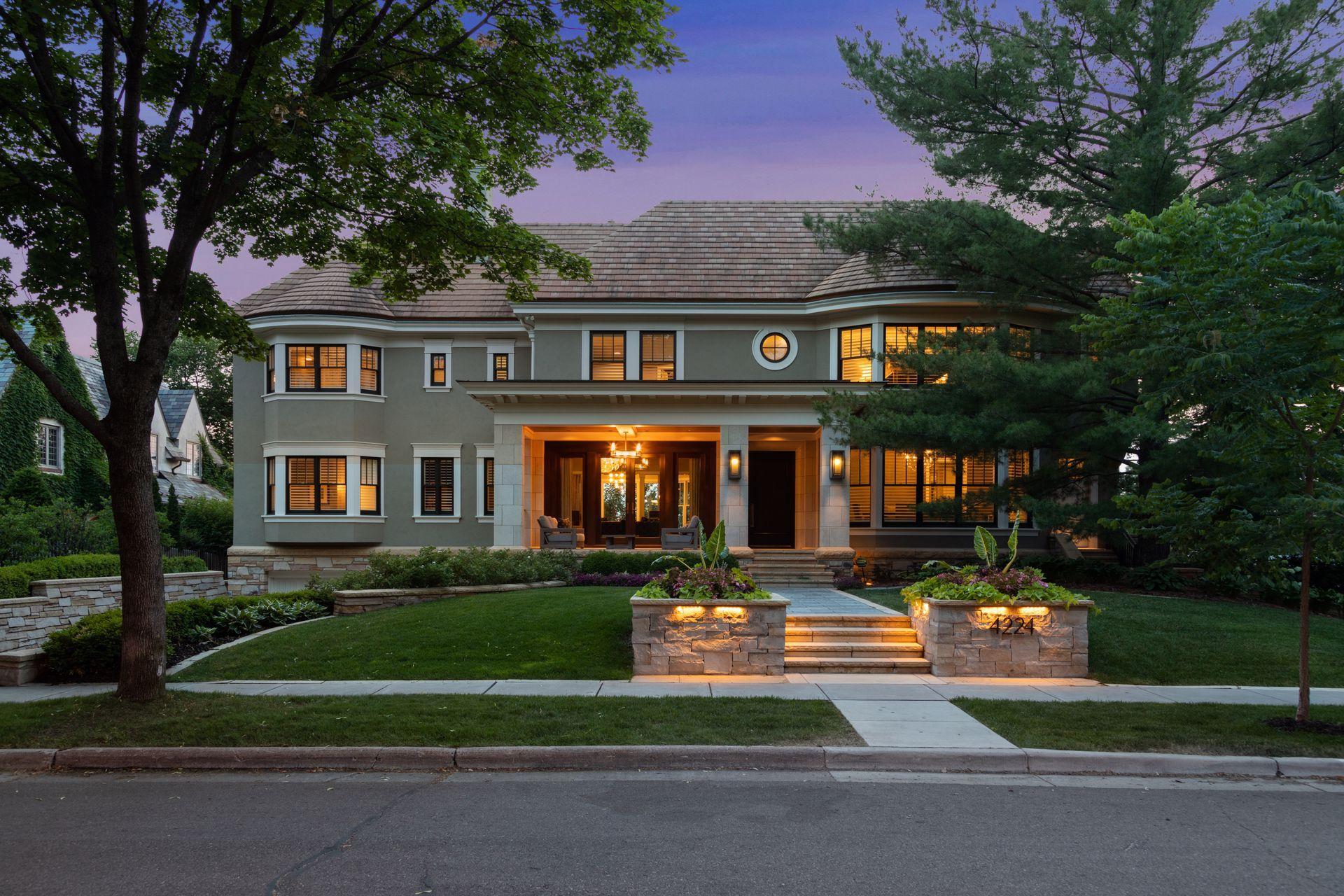
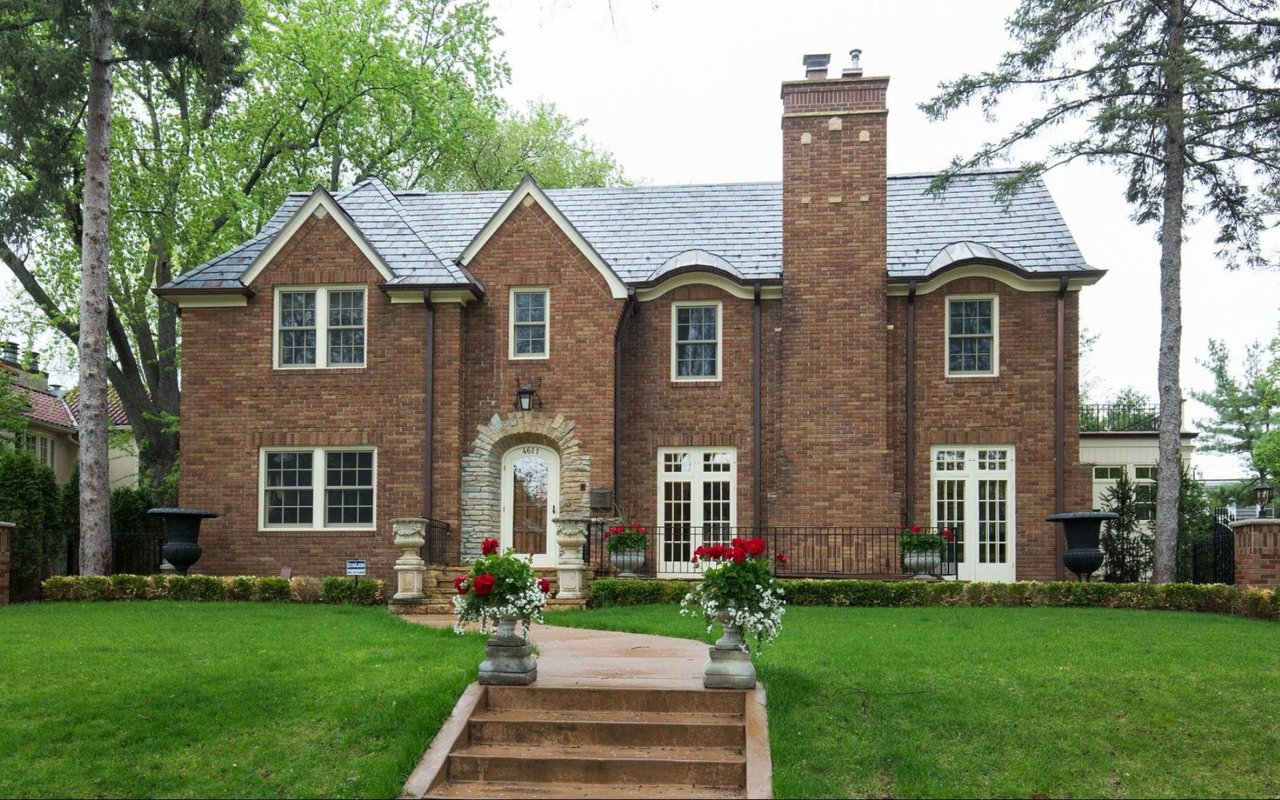
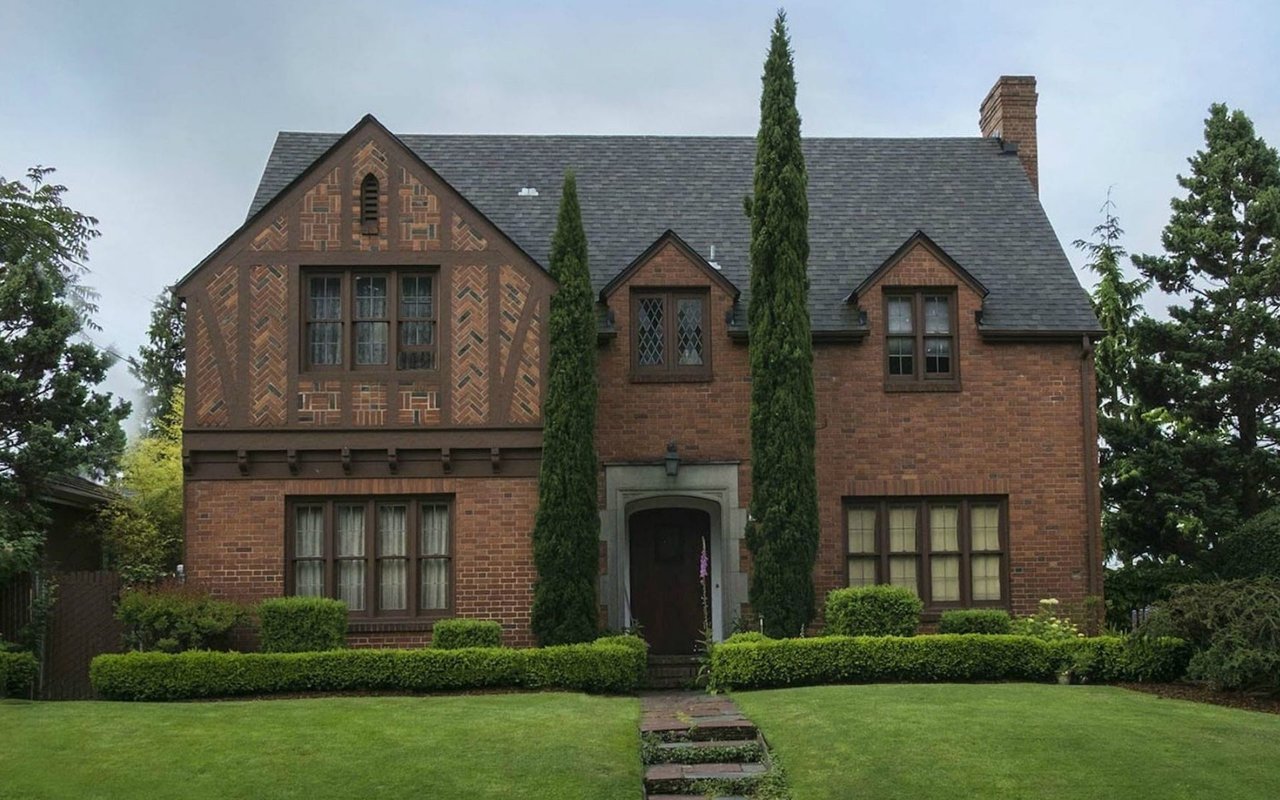
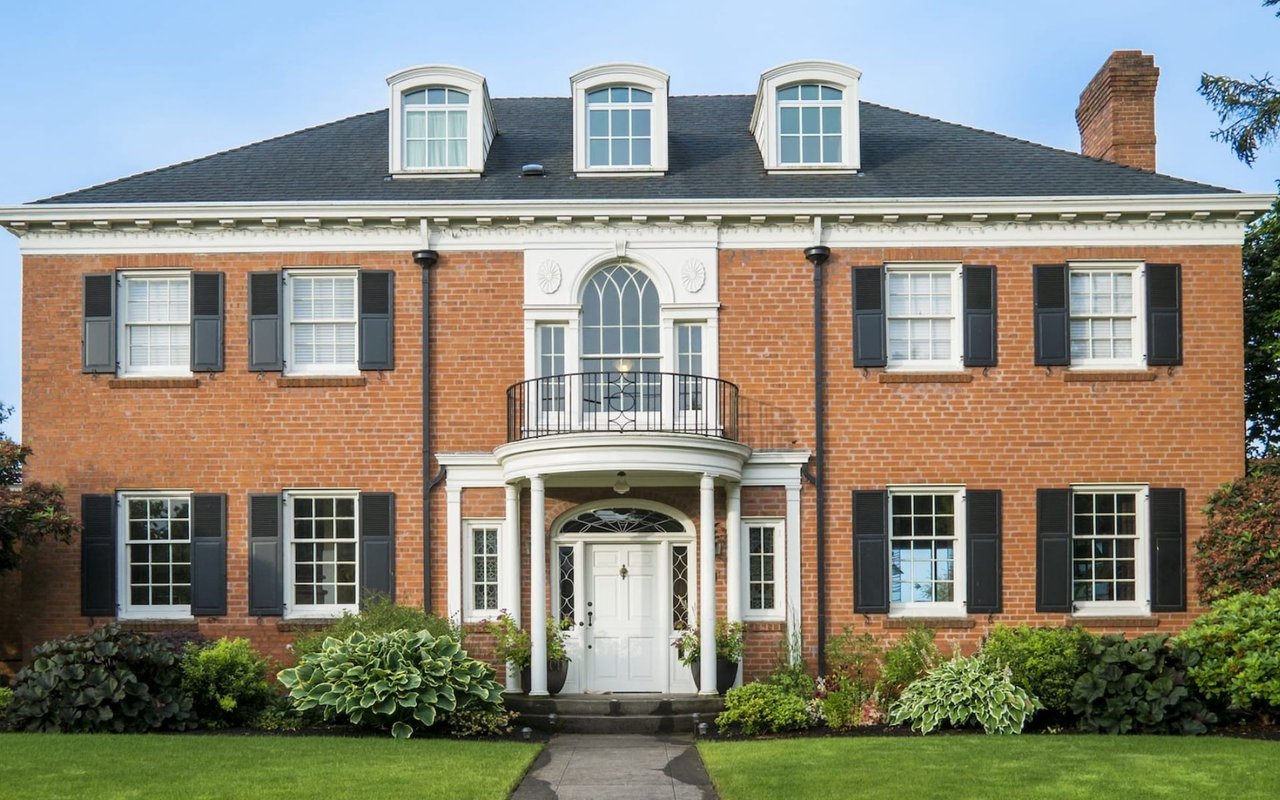
Homes for sale in Minneapolis range from historic residences near the Chain of Lakes to more modern homes across a variety of established neighborhoods. Inventory and buyer interest can vary significantly by area, making neighborhood context especially important when evaluating current opportunities.
47,756 people live in Minneapolis, where the median age is 39.4 and the average individual income is $61,335. Data provided by the U.S. Census Bureau.
Total Population
Median Age
Population Density
Average individual Income
There's plenty to do around Minneapolis, including shopping, dining, nightlife, parks, and more. Data provided by Walk Score and Yelp.
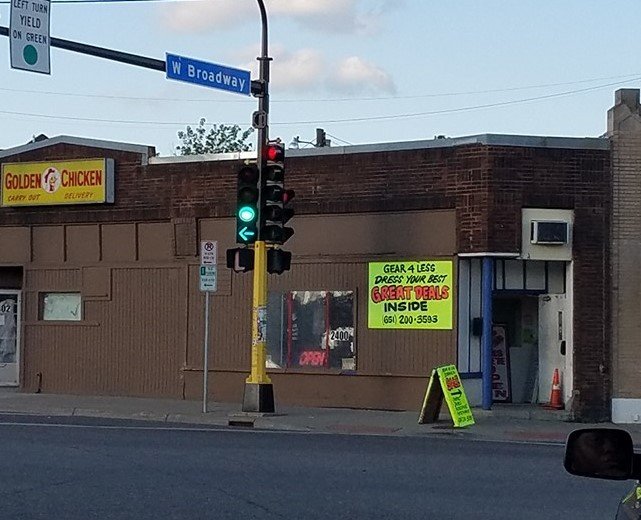
Explore popular things to do in the area, including Golden Chicken of Golden Valley, Walid's Food Market, and Emerson Food Market.
| Name | Category | Distance | Reviews |
Ratings by
Yelp
|
|---|---|---|---|---|
| Dining | 0.63 miles | 0 reviews | 0/5 stars | |
| Dining | 0.96 miles | 0 reviews | 0/5 stars | |
| Dining | 1.14 miles | 1 review | 4/5 stars | |
| Dining | 1.21 miles | 0 reviews | 0/5 stars | |
| Shopping | 0.63 miles | 0 reviews | 0/5 stars | |
| Shopping | 0.85 miles | 0 reviews | 0/5 stars | |
| Active | 0.7 miles | 4 reviews | 2/5 stars | |
| Active | 1.06 miles | 0 reviews | 0/5 stars | |
| Beauty | 0.42 miles | 0 reviews | 0/5 stars | |
| Beauty | 0.47 miles | 0 reviews | 0/5 stars | |
| Beauty | 0.58 miles | 0 reviews | 0/5 stars | |
| Beauty | 0.74 miles | 0 reviews | 0/5 stars | |
| Beauty | 0.87 miles | 0 reviews | 0/5 stars | |
| Beauty | 1 miles | 0 reviews | 0/5 stars | |
| Beauty | 1.04 miles | 2 reviews | 3/5 stars | |
| Beauty | 1.08 miles | 0 reviews | 0/5 stars | |
| Beauty | 1.11 miles | 0 reviews | 0/5 stars | |
| Beauty | 1.12 miles | 0 reviews | 0/5 stars | |
| Beauty | 1.21 miles | 0 reviews | 0/5 stars | |
|
|
||||
|
|
||||
|
|
||||
|
|
||||
|
|
||||
|
|
Minneapolis has 23,236 households, with an average household size of 2.05. Data provided by the U.S. Census Bureau. Here’s what the people living in Minneapolis do for work — and how long it takes them to get there. Data provided by the U.S. Census Bureau. 47,756 people call Minneapolis home. The population density is 2,926 and the largest age group is Data provided by the U.S. Census Bureau.
Total Population
Population Density Population Density This is the number of people per square mile in a neighborhood.
Median Age
Men vs Women
Population by Age Group
0-9 Years
10-17 Years
18-24 Years
25-64 Years
65-74 Years
75+ Years
Education Level
Total Households
Average Household Size
Average individual Income
Households with Children
With Children:
Without Children:
Blue vs White Collar Workers
Blue Collar:
White Collar:



OFFICE 3946 W 50th St Edina MN 55424
OFFICE 3946 W 50th St Edina MN 55424