
Some Minneapolis neighborhoods are best understood one block at a time. I grew up near Cedar Lake and have spent more than 26 years representing buyers and sellers throughout Minneapolis. My connection to the lakes is personal as well as professional: I later lived on Dean Parkway when I was starting my own family, before eventually moving to Edina.
Around the lakes especially, small differences in location, architecture, lot position, renovation quality and views can have a meaningful effect on both value and the way a home lives. The neighborhoods surrounding Lake of the Isles, Cedar Lake, Bde Maka Ska and Lake Harriet share access to some of Minneapolis's greatest natural and recreational assets, yet each has its own housing patterns, streetscapes and micro-markets. These are several I know particularly well through both personal familiarity and firsthand real estate experience.
Lake of the Isles
Kenwood and Cedar-Isles-Dean surround much of Lake of the Isles, but they do not feel interchangeable. Kenwood is known for substantial historic homes, mature landscaping and some of the city's most impressive residential streets. Cedar-Isles-Dean connects the lake with Cedar Lake and Bde Maka Ska, giving buyers another mix of lake access, parkland and residential settings.

I have worked directly on Lake of the Isles, including a transaction at 2764 W Lake of the Isles Parkway. Homes in this setting are rarely well understood through price per square foot alone. The quality of the site, architecture and relationship to the lake often matters just as much.
Explore: Kenwood Neighborhood Guide | Cedar-Isles-Dean Neighborhood Guide
East Isles
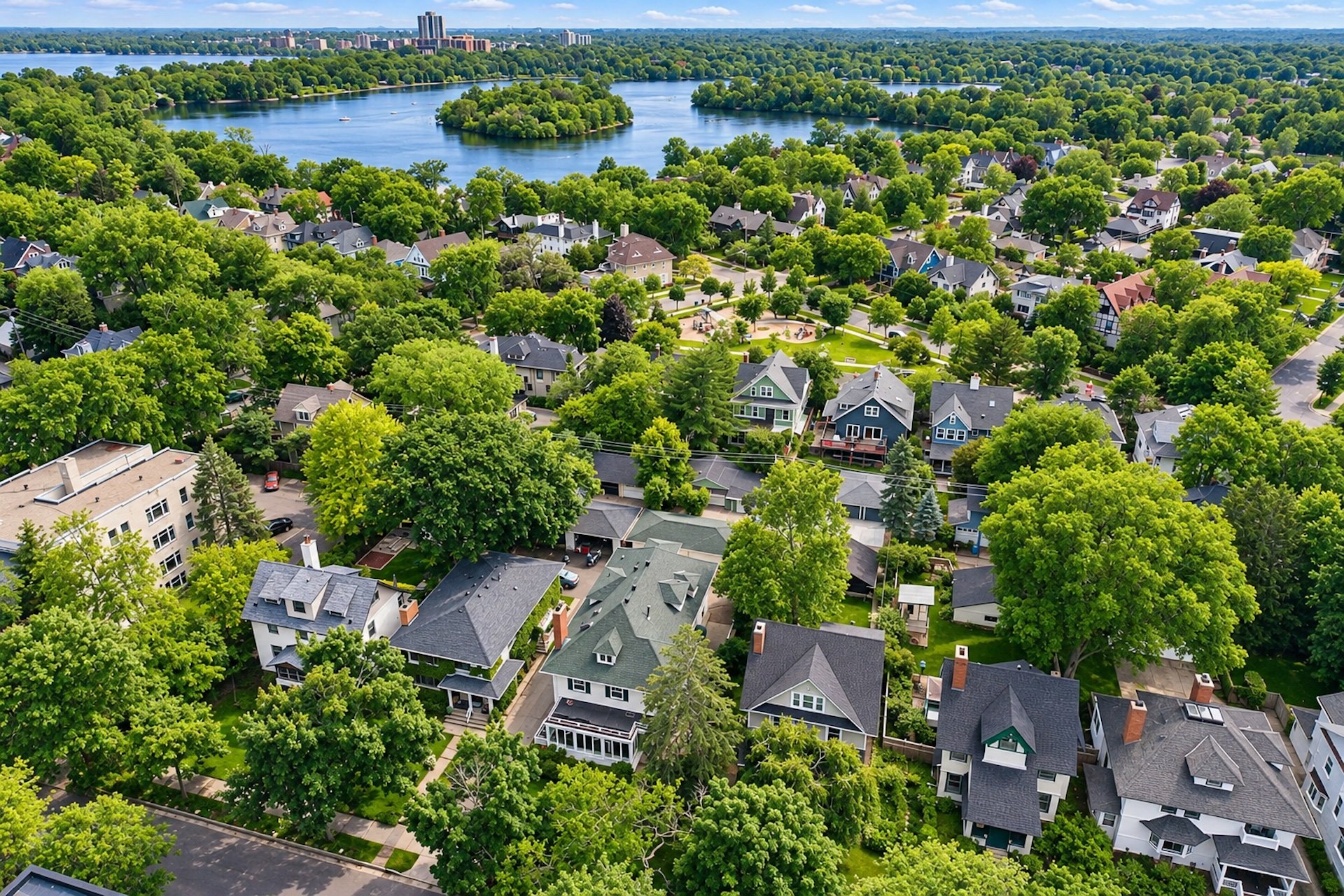
East Isles sits directly across Lake of the Isles from Kenwood, yet it offers a noticeably different residential experience. Historic single-family homes share the neighborhood with duplexes and multifamily properties, while Hennepin Avenue puts restaurants, shops and everyday services within easy reach. That combination gives East Isles more urban energy while retaining immediate access to the lake and trail system.
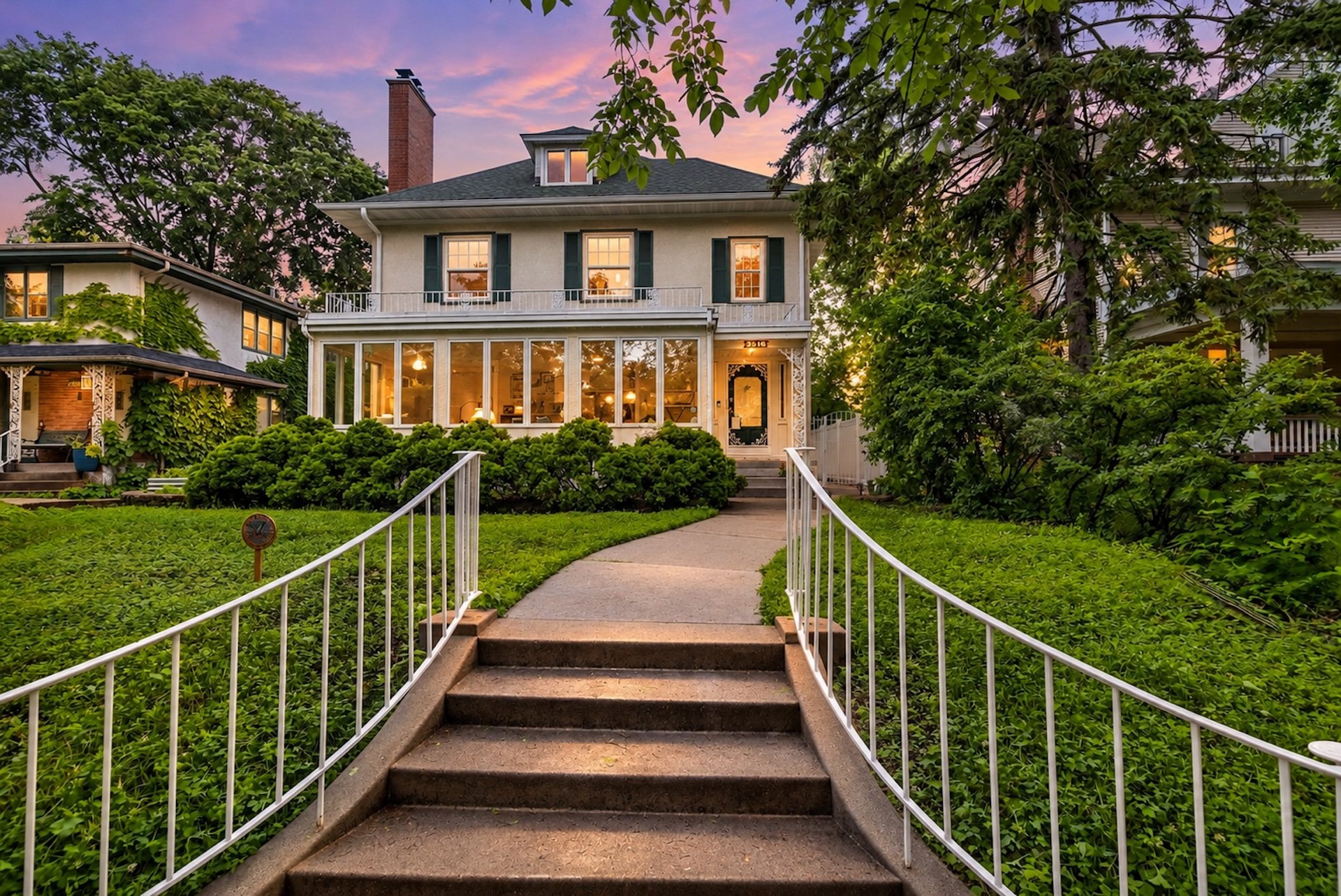
The variety of housing also changes how properties need to be evaluated. At 2516 Humboldt Avenue S, I worked with a substantial duplex only a few blocks from the lake. For a property like this, architecture and condition are only part of the analysis. Unit configuration, owner-occupant potential, updates and future flexibility all matter. That is one reason broad neighborhood statistics can be useful context but rarely provide the full answer for an individual East Isles property.
Explore: East Isles Neighborhood Guide
East Harriet
East Harriet combines established residential streets with exceptional access to Lake Harriet, the Rose Garden, parkland and the trail system. The neighborhood includes classic Minneapolis houses as well as larger renovated homes, and the character can shift as you move from the lake toward interior residential streets and nearby commercial areas.
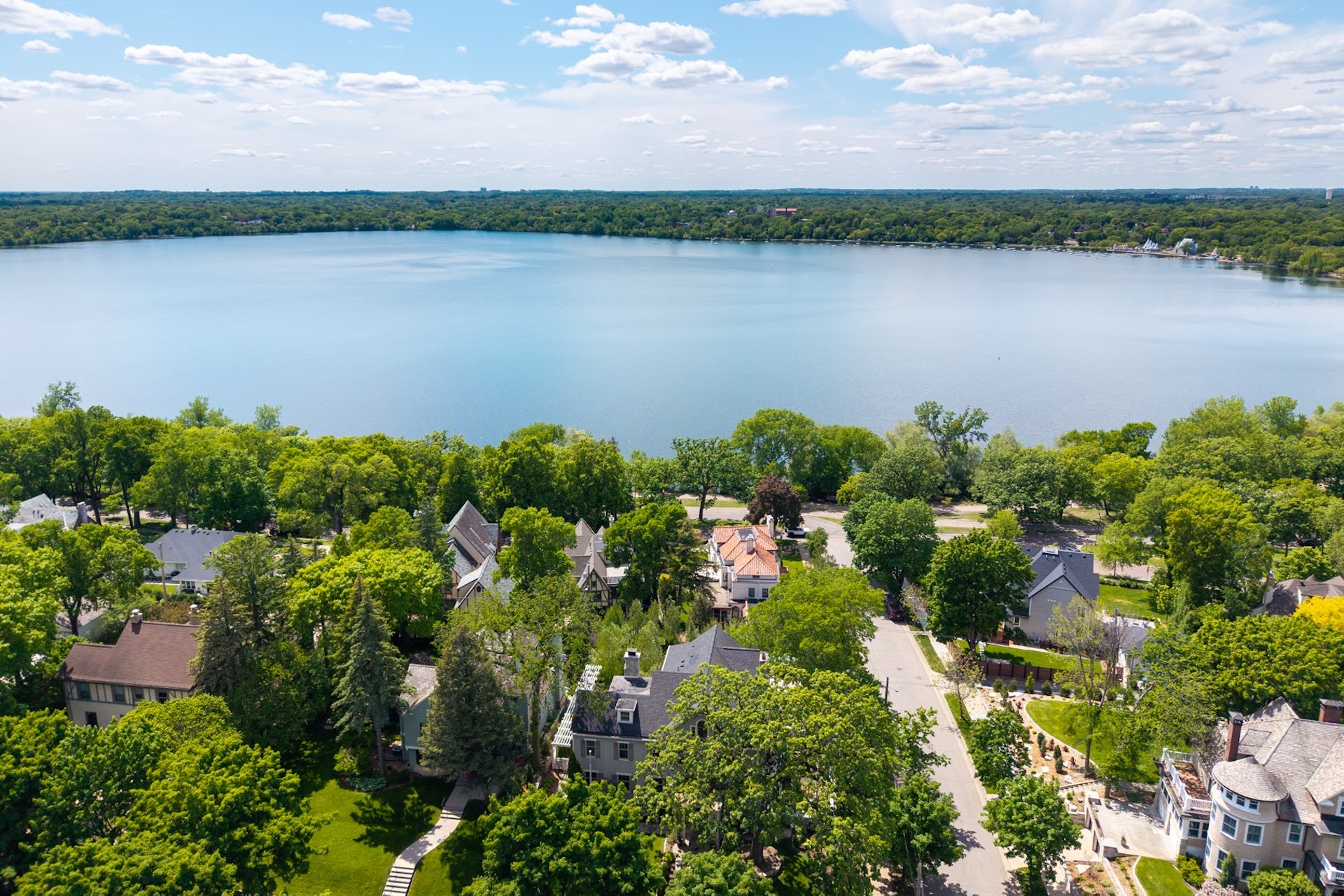
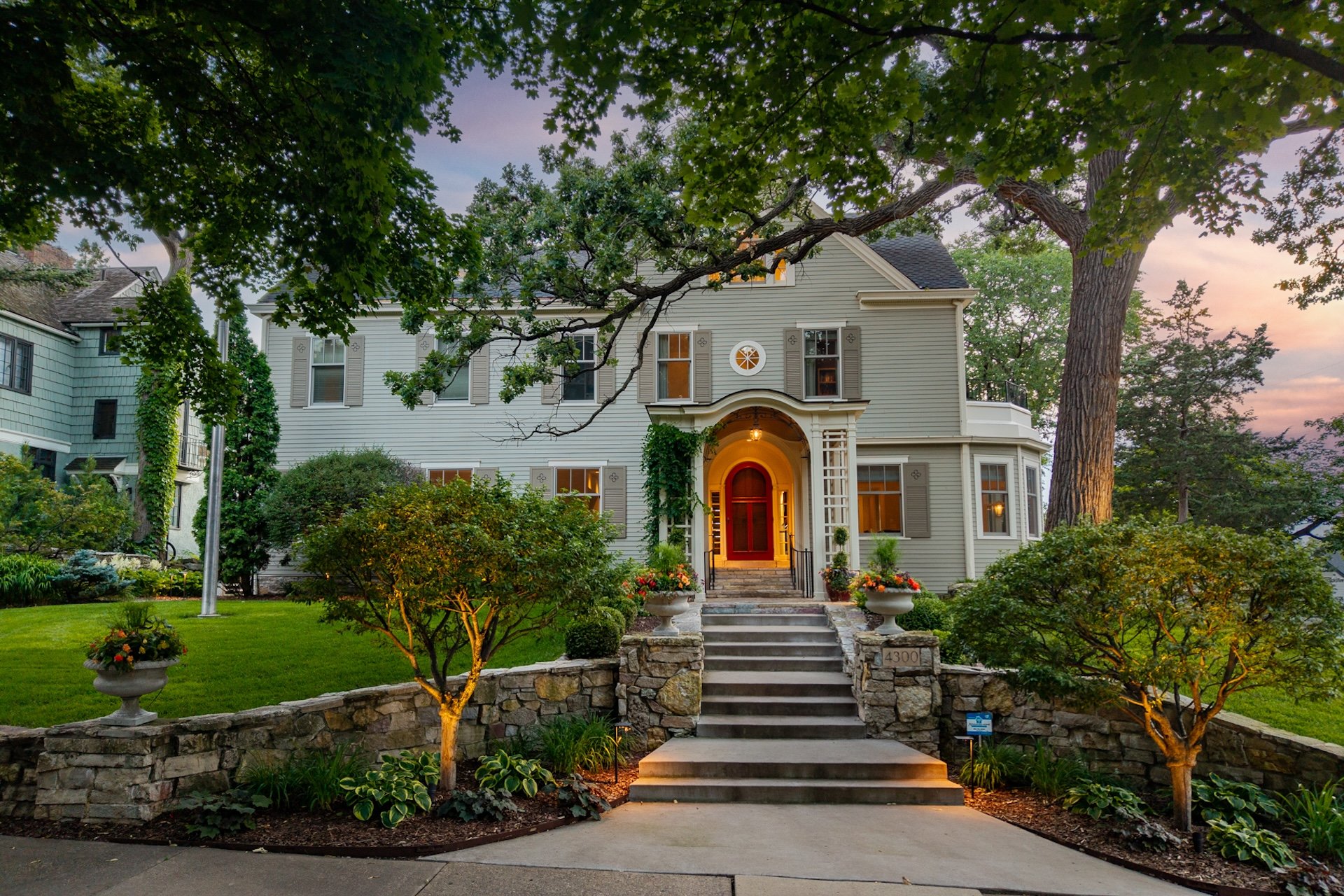
One of my recent sales, 4300 Fremont Avenue S, is a good example of why distinctive East Harriet homes require a broader valuation lens. The property combined historic architecture with extensive updates, substantial outdoor living spaces, a pool and views toward Lake Harriet. When a home brings together architecture, setting, renovation quality and outdoor amenities at that level, the relevant market is much narrower than a simple radius search might suggest.
Explore: East Harriet Neighborhood Guide
Linden Hills
Linden Hills has one of the strongest neighborhood identities in Southwest Minneapolis. Lake Harriet is a major part of its appeal, but so is the neighborhood's own commercial center, with shops, restaurants and gathering places that allow many residents to handle parts of daily life on foot. That village quality distinguishes Linden Hills from many other areas surrounding the lakes.

The housing is more varied than the neighborhood's reputation sometimes suggests. Buyers may encounter smaller historic homes, extensive renovations, architecturally distinctive properties and newer construction within a relatively compact area. I have represented homes here, including a sale at 3806 Sheridan Avenue S, and the experience reinforces how quickly value and buyer expectations can shift by block. Proximity to the lake, walkability, lot size and the quality of improvements all become part of the decision.
Explore: Linden Hills Neighborhood Guide
Fulton
Immediately south of Linden Hills, Fulton often appears on the same buyer shortlists but offers a somewhat different mix of settings. Some blocks feel closely tied to 50th & France, while others connect more strongly to Minnehaha Creek, Lake Harriet or the quieter residential streets farther inside the neighborhood. The result is a neighborhood with several distinct ways to live.

I have worked repeatedly in Fulton, including transactions at 5104 Sheridan Avenue S and 5028 Abbott Avenue S. Those homes illustrate the range buyers can encounter here—from classic Minneapolis housing to larger, extensively updated properties. When comparing Fulton homes, I pay close attention to the immediate block, nearby amenities, lot characteristics and how the house itself fits the expectations of buyers searching in this part of Southwest Minneapolis.
Explore: Fulton Neighborhood Guide
Tangletown
Tangletown immediately feels different from much of Minneapolis. Its winding streets, hills and irregular blocks break from the traditional city grid, while the Washburn Water Tower remains one of Southwest Minneapolis's most recognizable landmarks. The topography and street pattern are not just visual differences—they influence lot shape, privacy, views and how individual homes relate to their surroundings.

I recently represented a buyer at 322 Busch Terrace. Transactions here reinforce the importance of micro-location. Two Tangletown homes that appear similar in size and age can feel quite different because of elevation, street configuration, neighboring homes or the way the lot sits within the terrain. Those nuances are difficult to capture through broad market statistics alone.
Explore: Tangletown Neighborhood Guide
Bryn Mawr and Cedar Lake
Bryn Mawr and the area around Cedar Lake are particularly familiar to me because I grew up nearby. Long before I worked in real estate, Cedar Lake was part of everyday life, and it still is. Over the years I have spent countless hours running around the lake and training there, and I still open-water swim and run in the area.
The neighborhood occupies an unusual position in Minneapolis: remarkably close to downtown, yet parts of Bryn Mawr can feel secluded because of mature trees, parkland, trails and the natural areas surrounding Cedar Lake. That combination attracts buyers who want access to the city without giving up a strong connection to nature.
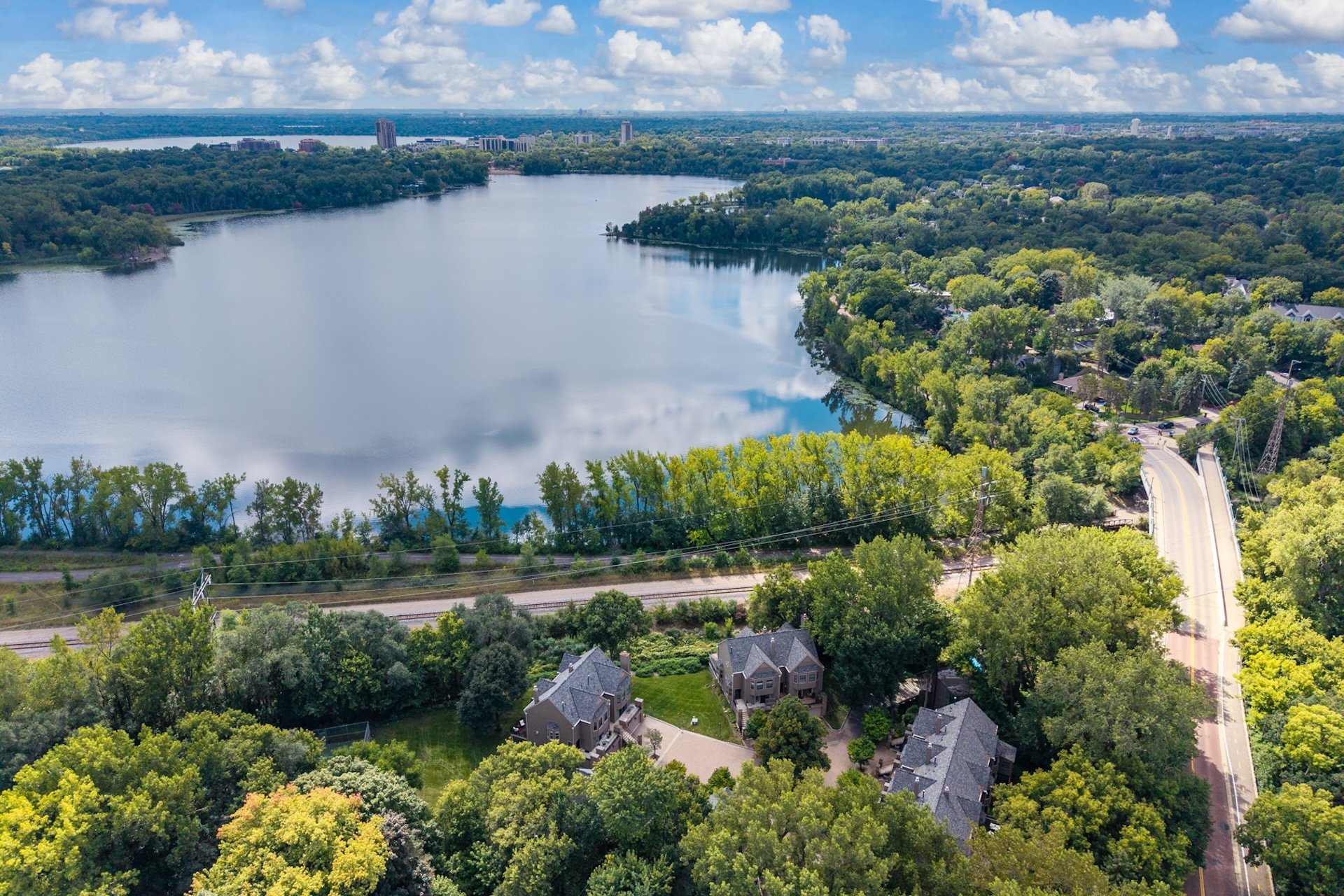
I have also represented properties along Cedar Lake Parkway and Washburn Avenue, including 1433 Cedar Lake Parkway and 1100 Washburn Avenue S. Buyers here are often weighing lake and trail access, privacy, lot size, setting and convenience, and those tradeoffs can vary substantially from one street to the next. For sellers, understanding which of those qualities buyers will value most is an important part of positioning a home correctly.
Explore: Bryn Mawr Neighborhood Guide
Beyond the Lakes
My Minneapolis experience extends beyond the immediate Chain of Lakes. At 3248 Dupont Avenue S, I worked with a distinctive early-1900s home in South Uptown, where historic architecture, later additions and renovations frequently come together within the same property.
Older Minneapolis homes often reward careful evaluation. Original craftsmanship can be a major asset, but buyers also need to understand mechanical systems, previous additions, renovation quality and how well a house has been adapted for modern living. My video of 3248 Dupont provides a good example of how an older Minneapolis home can evolve while still retaining the architectural character that made it distinctive in the first place.
Choosing the Right Minneapolis Neighborhood
There is no single best neighborhood around the Minneapolis lakes. The right choice depends on how a buyer actually wants to live.
Some buyers put lake access and trails first. Others care more about restaurants, shops and the ability to walk to daily amenities. Historic architecture may be a major attraction for one buyer, while another prefers a fully renovated home or newer construction. Lot size, privacy, floor plan, outdoor space and future resale all become part of the equation.
My perspective on these neighborhoods also comes from living through different stages of life here. I grew up near Cedar Lake, later started my own family on Dean Parkway in Cedar-Isles-Dean, and our first child was born while we were living there before we eventually moved to Edina.

The neighborhood name is therefore only the beginning. Within these established areas, individual blocks and individual homes can matter enormously. Citywide statistics provide context, neighborhood statistics provide more, but the final decision usually comes down to understanding the specific property's setting, condition and competitive position.
After more than 26 years in real estate—and with experience from Lake of the Isles and East Isles to Lake Harriet, Fulton, Tangletown and Cedar Lake—I can help buyers compare those differences and help sellers understand how their home fits within the market buyers are actually seeing.
Explore Minneapolis Neighborhoods
The Minneapolis Lakes Area is part of a broader collection of established city neighborhoods, each with its own housing, architecture, setting and lifestyle characteristics. These resources provide additional context for buyers and sellers comparing different areas of Minneapolis:
- Minneapolis Neighborhood Guide: Explore all 12 featured Minneapolis neighborhoods and additional neighborhood resources.
- Kenwood Neighborhood Guide: Learn more about one of the city's distinctive residential neighborhoods near Lake of the Isles.
- Cedar-Isles-Dean Neighborhood Guide: Explore homes and neighborhood character near the Minneapolis lakes.
- East Isles Neighborhood Guide: Learn more about historic homes and urban-lakes living east of Lake of the Isles.
- East Harriet Neighborhood Guide: Explore homes, parks and residential streets surrounding Lake Harriet.
- Linden Hills Neighborhood Guide: Learn more about the neighborhood's village setting, Lake Harriet access and housing.
- Fulton Neighborhood Guide: Explore Southwest Minneapolis homes near 50th & France, Minnehaha Creek and Lake Harriet.
- Tangletown Neighborhood Guide: Learn more about Tangletown's winding streets, varied architecture and distinctive setting.
- Bryn Mawr Neighborhood Guide: Explore homes near Cedar Lake, parkland, trails and downtown Minneapolis.
- Minneapolis Neighborhoods for Long-Term Value: Compare established Minneapolis neighborhoods and long-term value.
Together, these resources provide a more complete picture of how the Minneapolis Lakes Area fits within the city's broader residential real estate market.
FAQs
What neighborhoods are considered part of the Minneapolis Lakes Area?
The term generally refers to neighborhoods surrounding or closely connected to Minneapolis's Chain of Lakes, including areas near Cedar Lake, Lake of the Isles, Bde Maka Ska and Lake Harriet. Neighborhoods such as Kenwood, Cedar-Isles-Dean, East Isles, East Harriet and Linden Hills are among the areas most closely associated with the lakes.
Which Minneapolis neighborhood is best for lake access?
It depends on the type of setting a buyer prefers. Kenwood and Cedar-Isles-Dean offer exceptional access to Lake of the Isles and Cedar Lake, while East Harriet and Linden Hills provide convenient access to Lake Harriet. Individual blocks and properties can offer very different levels of proximity, views and privacy.
Are homes near the Minneapolis lakes more expensive?
Homes near the lakes often command a premium, but pricing varies significantly depending on the specific neighborhood, property condition, architecture, lot, views and proximity to the water. Two homes only a few blocks apart can have very different market values.
What should buyers consider when comparing Minneapolis neighborhoods?
Beyond price and square footage, buyers should consider architecture, lot size, street location, walkability, lake and trail access, privacy, renovation quality and the surrounding housing stock. These factors often influence both everyday enjoyment and long-term resale.
How can sellers determine the value of a home near the Minneapolis lakes?
Recent comparable sales provide a starting point, but lake-area homes often require more detailed analysis. Architecture, views, lot position, outdoor spaces, renovations and micro-location can all materially affect value. For distinctive properties, the closest comparable sale is not always the most useful one.
Thinking About a Move in Minneapolis?
Whether you are buying, selling or simply comparing neighborhoods, local context matters. I can help you evaluate the differences between Minneapolis neighborhoods, understand how individual homes fit within their market and plan the next step with confidence.
Contact Josh to start a conversation about your Minneapolis real estate plans.
